Search News
TerraVista Metrics (TVM)Industry Portal
TerraVista Metrics (TVM)Hot Articles
TerraVista Metrics (TVM)- Synthetic Rattan Resort Furniture: What to Check for Coastal DurabilityBuying synthetic rattan resort furniture? Discover key checks for UV resistance, corrosion protection, and warranty coverage to reduce coastal replacement costs and buy with confidence.
- Six Flags to Add Seat Belts to Goliath and Similar Roller CoastersSix Flags plans to add seat belts to Goliath and similar roller coasters. Learn about the safety changes, Goliath’s closure and what visitors should watch for next.
- Which Hospitality Furniture Compliance Standards Apply to U.S. Hotels?Explore hospitality furniture compliance standards for U.S. hotels, from fire safety and ADA requirements to supplier documentation. Make informed purchases and reduce compliance risks.
Popular Tags
TerraVista Metrics (TVM)Industry NewsHow to Use Hospitality Benchmarking in 2026
auth.Time
Oct 24, 2026Click Count
In 2026, hospitality benchmarking is no longer optional for tourism architects, procurement teams, and business evaluators building a resilient hospitality ecosystem. From eco-friendly cabins and smart hotel IoT performance to amusement hardware durability, reliable benchmarks help buyers compare technical quality, compliance, and long-term value before investment decisions are made.
For most readers searching how to use hospitality benchmarking in 2026, the real question is not what benchmarking means in theory. It is how to use it to reduce procurement risk, compare suppliers more objectively, verify performance claims, and make better capital decisions in an industry where guest experience, sustainability, and system integration now directly affect profitability. In practical terms, benchmarking is most useful when it turns marketing promises into measurable evidence.
What hospitality benchmarking actually helps you decide in 2026
Hospitality benchmarking in 2026 is best understood as a decision framework. It allows buyers, developers, and evaluators to compare assets, systems, and suppliers against standardized performance indicators rather than relying on brochures, brand reputation, or isolated case studies.
For procurement and business assessment teams, benchmarking typically supports decisions such as:
- Which prefab lodging unit delivers the best balance of insulation, structural durability, and lifecycle cost
- Which smart hotel system provides stable data throughput, integration compatibility, and cybersecurity readiness
- Which tourism infrastructure components are most likely to meet carbon compliance and sustainability targets
- Which supplier claims are backed by testable engineering metrics rather than sales language
- Which investment is likely to create lower operational friction over time
This is why hospitality benchmarking has become more technical. In 2026, operators are not only benchmarking room rates, occupancy, and RevPAR. They are also benchmarking thermal efficiency, hardware fatigue resistance, system uptime, energy consumption, maintenance intervals, emissions performance, and interoperability across the hospitality technology stack.
Why buyers and evaluators are relying more on benchmarking now
The hospitality and tourism supply chain has become harder to evaluate with intuition alone. Product categories are more specialized, sustainability standards are more visible, and system dependencies are more complex. A glamping unit may look attractive in a catalog, but that does not tell you enough about weather resistance, insulation loss over time, or assembly consistency. A hotel AI platform may promise operational intelligence, but without throughput, latency, and integration benchmarks, buyers cannot judge real-world value.
Three major shifts are driving this change:
- More technical procurement: Hospitality purchasing now involves infrastructure, energy systems, automation, materials, and data architecture.
- More scrutiny on sustainability: Carbon reporting, material sourcing, and operating efficiency increasingly affect approvals and investment confidence.
- Higher cost of poor decisions: A weak procurement choice can lead to retrofit costs, integration delays, energy waste, guest complaints, or premature asset replacement.
For distributors, agents, and channel partners, benchmarking also makes commercial positioning easier. It provides factual evidence that can help explain why one product line deserves attention over another.
Which metrics matter most when benchmarking hospitality assets
Not every metric deserves equal attention. The right benchmark depends on what is being purchased and what business outcome matters most. In 2026, the most useful benchmarking models connect technical performance with operational and financial consequences.
For prefab cabins, modular hospitality units, and glamping structures:
- Thermal insulation performance
- Air tightness and moisture resistance
- Material fatigue and structural durability
- Fire safety and environmental compliance
- Installation speed and site adaptability
- Maintenance frequency and lifecycle cost
For hotel IoT, smart room systems, and AI hospitality platforms:
- Network throughput and latency
- Device compatibility and protocol support
- System uptime and fault recovery
- Cybersecurity controls and update reliability
- Integration with PMS, BMS, CRM, and energy systems
- Data visibility for operational decision-making
For amusement and tourism hardware:
- Mechanical endurance
- Load stability and fatigue behavior
- Weather resilience
- Safety certification alignment
- Replacement part availability
- Long-term maintenance burden
The key principle is simple: benchmark what creates downstream impact. If a metric does not help predict cost, compliance, guest experience, uptime, or risk, it should not dominate the evaluation.
How to use hospitality benchmarking in a real procurement process
The most effective benchmarking is embedded into procurement early, before supplier preference hardens. A practical process usually includes six steps.
1. Define the business objective first.
Do not start by asking which product tests best in isolation. Start by asking what the project needs to achieve. Is the priority lower energy consumption, faster deployment, lower maintenance, smarter guest control, or carbon-compliant expansion?2. Translate the objective into measurable criteria.
Create a scorecard that includes technical, operational, compliance, and commercial dimensions. Weight them based on project reality. For example, a remote eco-lodge may weight thermal performance and maintenance simplicity higher than aesthetic customization.3. Standardize supplier comparison inputs.
Request the same evidence format from every supplier: lab test results, field performance records, certifications, integration documentation, warranty terms, and maintenance schedules. This avoids comparison distortion.4. Separate claimed performance from verified performance.
A useful benchmarking model clearly distinguishes self-declared data from independently tested metrics. This is especially important in cross-border sourcing and high-specification hospitality builds.5. Model lifecycle impact, not just purchase price.
A lower upfront price may hide higher costs in energy use, system downtime, repairs, replacements, or retrofitting. Benchmarking should support total cost of ownership analysis.6. Reassess after deployment.
Post-installation benchmarking helps validate assumptions and improve future sourcing decisions. In 2026, leading operators are building internal benchmark libraries from actual project performance.How to judge whether a benchmark is trustworthy
This is one of the biggest concerns for information researchers and procurement teams. Benchmarking is only useful if the underlying method is credible. Otherwise, it becomes another layer of polished marketing.
Trustworthy hospitality benchmarking usually has the following characteristics:
- Clear test conditions and methodology
- Comparable sample definitions
- Independent or third-party verification
- Raw performance data, not only summary claims
- Relevance to the operating environment
- Disclosure of limitations or test boundaries
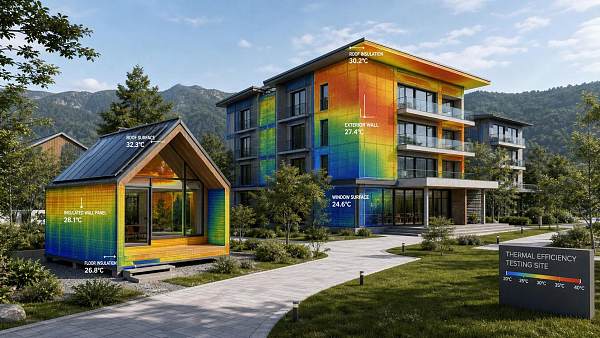
For example, thermal performance data should indicate climate assumptions, material composition, and installation conditions. Smart system benchmarking should specify device load, network environment, and integration scope. Durability claims should state cycle counts, stress conditions, and failure thresholds.
If the benchmark lacks this context, it is difficult to use for real decision-making.
Common mistakes when using hospitality benchmarking
Many organizations adopt benchmarking but still make poor decisions because they apply it incorrectly. The most common mistakes include:
- Overweighting headline metrics: A single impressive number can distract from broader fit, reliability, or serviceability.
- Comparing unlike products: Benchmarks only work when the products being compared are functionally equivalent.
- Ignoring operational context: A product that benchmarks well in one environment may underperform in another.
- Focusing only on procurement price: This weakens the value of benchmarking and increases long-term exposure.
- Failing to include integration risk: Especially in smart hospitality systems, compatibility problems can erase expected gains.
- Using vendor-created scorecards without review: Internal or independent validation is essential.
The lesson is that benchmarking should support judgment, not replace it. Good benchmarks improve decision quality when paired with operational understanding.
What different stakeholders should look for
Different readers use hospitality benchmarking for different reasons, so the evaluation lens should change accordingly.
Information researchers should focus on whether the benchmark clarifies market differences and reveals measurable quality gaps.
Procurement teams should use benchmarking to structure supplier comparison, strengthen negotiation, and defend purchasing decisions internally.
Business evaluators should emphasize risk exposure, return on investment, scalability, and long-term asset performance.
Distributors, dealers, and agents should use benchmark data to identify products with stronger technical positioning and clearer resale credibility.
When these groups use a common evidence framework, alignment improves. Technical, commercial, and strategic stakeholders can evaluate the same supplier base with fewer misunderstandings.
Why engineering-led benchmarking is gaining importance
In sectors like tourism infrastructure and hospitality hardware, visual appeal often dominates early sales conversations. But in actual project delivery, engineering quality determines whether an investment performs as expected. This is where engineering-led benchmarking has become especially valuable.
Organizations such as TerraVista Metrics (TVM) address a growing market need: translating complex manufacturing and infrastructure performance into comparable, decision-ready data. For buyers evaluating global sourcing options, especially across technical product categories, independent benchmarking can reduce uncertainty around durability, carbon compliance, and systems integration.
That matters because tourism development in 2026 is increasingly cross-disciplinary. Developers are no longer buying isolated products. They are building connected hospitality ecosystems where structural design, guest technology, operational efficiency, and sustainability targets must work together.
Final takeaway: use benchmarking to buy with evidence, not assumptions
In 2026, hospitality benchmarking is most valuable when it helps decision-makers answer practical questions: Will this asset perform under real operating conditions? Will it integrate cleanly into the broader hospitality system? Will it meet compliance and sustainability expectations? Will it lower risk over time?
For tourism architects, procurement professionals, commercial evaluators, and channel partners, the right approach is to use benchmarking as a structured filter. Focus on verified metrics, lifecycle consequences, and relevance to your project goals. Weak benchmarking creates noise. Strong benchmarking creates confidence.
In a market where technical performance increasingly shapes business performance, the organizations that benchmark well are more likely to invest well.
Recommended News
 Oct 15, 2026Industry Reports Library: How to Find Reliable Data for Market ResearchExplore an industry reports library to find reliable market data, verify sources, and compare findings. Learn practical steps to turn research into confident business decisions.
 Sep 13, 2026How to Use Practical Industry Reports to Identify Market Risks and Growth OpportunitiesPractical industry reports help uncover market risks, validate supplier claims, and identify growth opportunities before capital is committed.
 Aug 28, 2026What Do Standardized Performance Benchmarks Cost, and What Do Buyers Get?Standardized performance benchmarks price explained: compare costs, scope, and buyer deliverables to reduce procurement risk and make confident investment decisions.
 Aug 03, 2026How to Read a Compliance Analysis Report Before Supplier ApprovalCompliance analysis report guide: learn how to verify scope, evidence, exclusions, and risk before supplier approval, helping you avoid costly compliance gaps and make smarter sourcing decisions.
 Aug 02, 2026What Should Executives Look for in a Market Intelligence Report Dashboard?Market intelligence report dashboard essentials for executives: learn how to spot decision-ready insights, benchmark risk, source confidence, and business impact before making high-stakes moves.
 Jul 29, 2026Recreational Cable Transport Global Market: Key Growth Drivers and Regional OutlookRecreational cable transport global market analysis explores key growth drivers, regional outlook, technology shifts, and investment risks shaping future leisure mobility opportunities.
 Jul 26, 2026Tourism Development Report: Key Market Signals, Investment Priorities, and Growth RisksTourism development report on market signals, investment priorities, and growth risks—discover where tourism assets can deliver resilient returns, sustainability value, and smarter expansion.
 Jul 25, 2026How to Evaluate a Standardized Performance Benchmarks Research Firm?Standardized performance benchmarks research firm selection starts with method, independence, and industry fit. Learn how to compare firms and choose evidence that supports smarter procurement decisions.
 Jul 18, 2026How to Read a Prefab Durability Testing Report Before Specifying Modular UnitsPrefab durability testing report essentials: learn how to assess test scope, standards, margins, and hidden risks before specifying modular units with confidence.
 Jul 15, 2026How a Market Intelligence Agency Supports Supplier Screening and Market Entry DecisionsA market intelligence agency helps businesses screen suppliers, reduce entry risk, and make smarter market decisions with verified data, compliance insight, and actionable analysis.
 Jul 14, 2026Project Planning Intelligence Tools: Which Features Matter for Cross-Functional Teams?Project planning intelligence tools for cross-functional teams: discover the must-have features for risk, compliance, forecasting, and smarter project decisions.
 Jul 13, 2026Tourism Equipment Market Evaluation: Which Demand, Price, and Channel Metrics Matter?Tourism equipment market evaluation reveals which demand, price, and channel metrics truly drive margins, reduce risk, and improve procurement decisions across modern tourism projects.
 Jul 11, 2026Compliance Analysis USA: How to Review Testing and Documentation Before BuyingCompliance analysis USA made practical: learn how to verify test reports, certification scope, and documentation before buying to reduce sourcing risk, control costs, and choose suppliers with confidence.
 Jul 10, 2026How to Compare Product Category Market Price Across Suppliers Without Missing Hidden CostProduct category market price comparison goes beyond the lowest quote. Learn how to uncover hidden costs across suppliers and make smarter, lower-risk buying decisions.
 Jul 08, 2026Presentation Tools Compared: Which Features Matter for Team Training and Demos?Presentation tools compared for team training and demos: discover which features improve collaboration, technical clarity, and reliable delivery across real operational workflows.
![]() Jul 07, 2026Tourism Supply Chain Analysis in North America: Key Cost Drivers and BottlenecksTourism supply chain analysis North America reveals key cost drivers, freight risks, compliance pressure, and integration bottlenecks—helping tourism projects cut risk and make smarter investment decisions.
Jul 07, 2026Tourism Supply Chain Analysis in North America: Key Cost Drivers and BottlenecksTourism supply chain analysis North America reveals key cost drivers, freight risks, compliance pressure, and integration bottlenecks—helping tourism projects cut risk and make smarter investment decisions. Jul 03, 2026On Site Thermal Efficiency Testing: When It’s Required and Which Metrics Matter MostOn site thermal efficiency testing reveals how buildings perform in real conditions. Learn when it’s required, which metrics matter most, and how to reduce energy risk.
 Jul 02, 2026What Drives Industry Reports Cost Factors: Data Scope, Method, and Update FrequencyIndustry reports cost factors explained: see how data scope, research method, and update frequency shape report value, pricing, and smarter investment decisions.
 Jun 30, 2026Fashion Trends 2026: Which Materials, Silhouettes, and Colors Are Shaping New Collections?Fashion trends 2026 reveal the materials, silhouettes, and colors shaping scalable new collections. Discover buyer-ready insights on comfort, utility, and strategic color direction.
 Jun 27, 2026Tourism Asset Evaluation Cost Factors: What Drives Valuation in Resort Projects?Tourism asset evaluation cost factors shape resort valuation through site complexity, compliance, smart systems, and lifecycle risk. See what really drives cost and stronger investment decisions.
 Jun 25, 2026How to Use Material Sustainability Analysis in Product Selection and Supplier EvaluationMaterial sustainability analysis helps buyers compare real lifecycle value, durability, compliance, and supplier reliability. Learn how to make smarter product selection decisions.
 Jun 21, 2026Tourism Carbon Metrics: How Hotels and Destinations Measure Emissions in PracticeTourism carbon in practice: learn how hotels and destinations measure emissions, set clear boundaries, compare assets fairly, and turn data into credible low-carbon decisions.
 Jun 20, 2026What Affects Outdoor Furniture Price? Materials, Durability, MOQ, and Shipping CostsOutdoor furniture price depends on more than design. Explore how materials, durability, MOQ, customization, and shipping costs shape real project value and smarter buying decisions.
 Jun 19, 2026How to Read a Compliance Standards Assessment Report for Supplier ApprovalCompliance standards assessment report guide for smarter supplier approval. Learn how to verify scope, findings, risks, and evidence quality before you commit.
{item.publish_time}{item.title}{item.description}Quarterly Executive Summaries Delivered Directly.
Join 50,000+ industry leaders who receive our proprietary market analysis and policy outlooks before they hit the public library.