Search News
TerraVista Metrics (TVM)Industry Portal
TerraVista Metrics (TVM)Hot Articles
TerraVista Metrics (TVM)- Verified Performance Certification: What It Proves During Product QualificationVerified performance certification helps teams qualify products with confidence. Learn how to assess scope, test conditions, and delivery controls before approval.
- North American Yacht Tech: Market Shifts Reshaping Retrofit and New-Build DemandYacht tech North America is reshaping retrofit and new-build choices. Explore smarter energy, connectivity, cybersecurity, and lifecycle strategies for lasting yacht value.
- Multiaxial Material Fatigue Analysis for Predicting Service Life Under Variable LoadsMultiaxial material fatigue analysis helps predict service life under variable loads, enabling safer procurement, lower lifecycle risk, and durable tourism infrastructure.
Popular Tags
TerraVista Metrics (TVM)Industry NewsHow Industrial & Manufacturing buyers compare suppliers
auth.Time
Oct 01, 2026Click Count
For distributors, agents, and channel partners, understanding how Industrial & Manufacturing buyers compare suppliers is critical to winning serious procurement opportunities.
Today’s evaluations go far beyond headline price. Technical proof, compliance records, lifecycle durability, integration readiness, and delivery consistency often decide the shortlist.
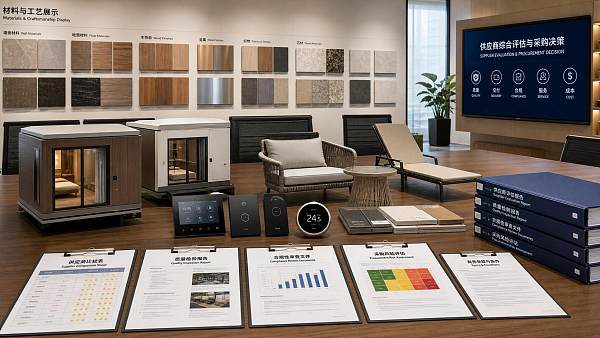
This is especially true in tourism infrastructure and smart hospitality projects. A cabin module, IoT gateway, power system, or amusement component must perform reliably in the field.
TerraVista Metrics supports this shift with engineering benchmarks. Instead of sales claims, decision makers increasingly use measurable Industrial & Manufacturing data to compare suppliers with confidence.
What do Industrial & Manufacturing buyers actually compare first?
Most comparisons start with risk, not price. Buyers ask whether a supplier can consistently deliver the required output, tolerance, safety, and service level.
In Industrial & Manufacturing sourcing, the first screen usually includes five checkpoints:
- Product fit for the exact application
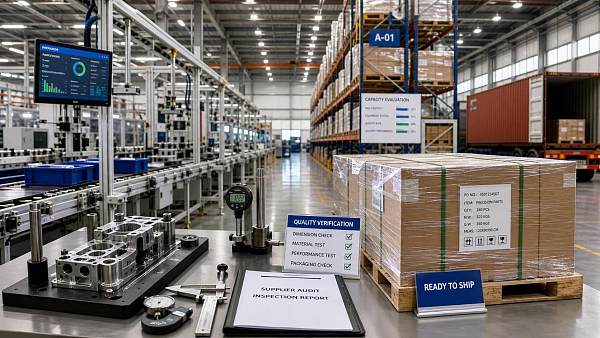
- Documented quality control and test evidence
- Compliance with market and project standards
- Production capacity and lead time stability
- After-sales support and parts continuity
For tourism-linked installations, buyers often compare environmental resistance. Coastal corrosion, thermal variation, humidity exposure, and frequent usage cycles can expose weak engineering quickly.
This means a visually attractive proposal may lose to a technically clearer one. Industrial & Manufacturing buyers prefer evidence that reduces installation, maintenance, and operational uncertainty.
Why price alone rarely wins
A lower quote can hide expensive downstream issues. Common examples include incompatible interfaces, short component life, missing certifications, poor packaging, or inconsistent batch quality.
When hospitality assets operate continuously, downtime has visible revenue impact. That makes total cost of ownership more important than invoice cost alone.
How do buyers judge technical credibility between similar suppliers?
When several suppliers appear similar, technical credibility becomes the separator. Industrial & Manufacturing comparisons move from brochures into measurable performance details.
Buyers usually review specification depth. A serious supplier explains materials, tolerances, thermal performance, network architecture, fatigue limits, and maintenance intervals clearly.
They also check whether test methods are transparent. Internal tests can help, but third-party validation often adds stronger trust.
In Industrial & Manufacturing projects tied to lodging, attractions, and site infrastructure, technical credibility may include:
- Thermal insulation metrics for prefab structures
- Load-bearing data for modular assemblies
- Power efficiency for smart control systems
- Data throughput and latency for IoT networks
- Wear resistance for high-contact guest hardware
TVM’s benchmarking approach fits this exact stage. Raw engineering metrics allow side-by-side review without relying on polished language or non-comparable marketing claims.
Which documents strengthen comparison confidence?
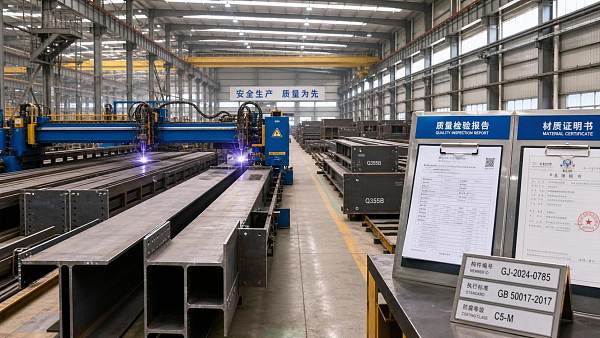
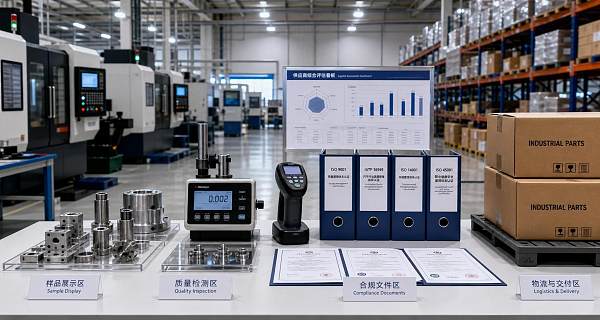
Useful evidence includes material certificates, inspection reports, reliability testing, carbon data, interface diagrams, installation manuals, and past project performance records.
A supplier that responds quickly with complete, structured documentation usually scores better than one offering vague assurances.
How important are compliance, sustainability, and regional standards?
They are often decisive. In cross-border Industrial & Manufacturing procurement, compliance failures can delay customs clearance, installation approval, insurance acceptance, or site opening.
For tourism and hospitality infrastructure, sustainability is no longer a branding extra. It increasingly affects project feasibility, investor perception, and long-term operating cost.
Buyers compare suppliers on both mandatory and strategic criteria:
- Safety and electrical compliance
- Fire, structural, or weather-resistance standards
- Carbon reporting and material traceability
- Waste reduction and packaging discipline
- Regional compatibility with grid, code, and language requirements
A common mistake is assuming one certificate works everywhere. Industrial & Manufacturing buyers usually verify whether the existing approvals match the destination market precisely.
Suppliers that provide compliance mapping by region can shorten evaluation time significantly. This is especially useful when project schedules are fixed by seasonal opening dates.
How do buyers compare supply reliability and project execution risk?
Supply reliability is where many promising suppliers lose momentum. Industrial & Manufacturing buyers want confidence that execution will match the approved sample and timeline.
They compare production planning, raw material sourcing, quality consistency, packaging standards, and contingency capability for rush or replacement orders.
For integrated hospitality projects, one delayed subsystem can affect multiple contractors. That makes coordination strength almost as important as product quality.
Risk checks often include these questions:
- Can the supplier scale from pilot quantity to rollout volume?
- Are critical components sourced from stable channels?
- How often do specifications drift across batches?
- Is export packaging proven for long-distance transit?
- What service response time is guaranteed after installation?
Industrial & Manufacturing buyers also examine communication discipline. Delays in drawings, revisions, and technical clarification can signal future execution friction.
What matters in factory and process visibility?
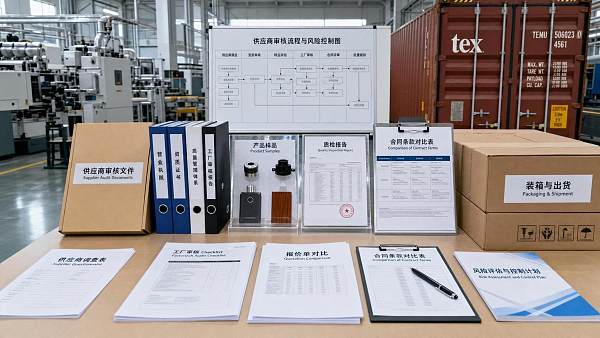
Clear process visibility reduces surprises. Useful signs include inspection checkpoints, version control, serialized tracking, sample retention, and documented corrective action procedures.
Even when factory visits are impossible, structured virtual audits and data-based reviews can still support reliable Industrial & Manufacturing comparison.
What comparison mistakes create the biggest sourcing problems?
The most costly mistake is comparing unlike offers as if they were equal. Small differences in grade, coating, chipset, software protocol, or warranty scope can change actual value sharply.
Another mistake is overvaluing polished presentations. Industrial & Manufacturing decisions need comparable data, not only refined visuals or persuasive sales language.
Frequent pitfalls include:
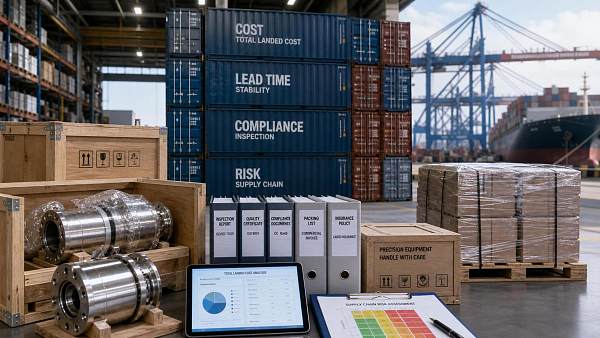
- Ignoring total lifecycle cost
- Skipping interface and integration testing
- Accepting incomplete compliance claims
- Assuming samples represent full production quality
- Underestimating spare parts and service continuity
In tourism infrastructure, site conditions are often more demanding than showroom conditions. Real comparison should reflect climate, occupancy, maintenance access, and system compatibility.
What is a practical framework for comparing Industrial & Manufacturing suppliers?
A structured scorecard helps remove bias. It also makes internal discussions faster when technical, commercial, and operational concerns must be balanced together.
A useful comparison model includes weighted categories rather than one overall impression. That creates a more defendable Industrial & Manufacturing evaluation process.
For faster review, keep all suppliers inside the same template. Ask for identical data fields, test references, and warranty details.
That approach makes Industrial & Manufacturing comparison cleaner, especially when products combine hardware, software, and installation dependencies.
FAQ quick answers
Industrial & Manufacturing buyers compare suppliers through evidence, consistency, and execution confidence. The strongest offers reduce uncertainty before production even begins.
In tourism infrastructure and smart hospitality, measurable performance matters even more. Materials, systems, and interfaces must work together under real operating pressure.
A disciplined comparison process should combine technical metrics, compliance review, lifecycle cost, and supply reliability in one framework.
When evaluation requires deeper engineering clarity, TVM-style benchmarking can turn complex Industrial & Manufacturing choices into transparent, defendable procurement decisions.
Recommended News
 Sep 18, 2026Technical Procurement in Southeast Asia: Evaluating Suppliers, Compliance, and Lead TimesTechnical procurement Southeast Asia: evaluate suppliers, compliance, lead times, and total cost to secure reliable, project-ready assets. Read the practical guide.
 Sep 17, 2026Glamping Site Supplier Selection: A Checklist for Quality, Lead Times, and SupportGlamping site supplier selection made simple: assess quality, lead-time reliability, installation readiness, and after-sales support for a resilient, profitable site.
 Sep 10, 2026How to Evaluate Resort Slide System Suppliers for Safety, Capacity, and Project SupportResort slide systems supplier evaluation guide: compare safety evidence, real capacity, durable materials, and project support for confident resort investments.
 Aug 27, 2026Hospitality Supplier Comparison: A Procurement Framework for Quality, Cost, and ReliabilityHospitality supplier comparison: evaluate quality, total cost, compliance, and service reliability to reduce procurement risk and protect guest experience.
 Aug 14, 2026Bedding Sets Wholesale: How to Choose the Right Supplier for Hotels and RetailersBedding sets wholesale for hotels and retailers: learn how to choose the right supplier for quality, compliance, and reliable delivery.
 Aug 11, 2026ITB China 2026 Closes With 900 Global ExhibitorsITB China 2026 closes with 900 global exhibitors from 85 countries, highlighting China’s growing role in tourism sourcing, travel tech, and cross-border supply chain opportunities.
 Aug 06, 2026How to Evaluate a Marine Hospitality Solutions Provider for Guest Experience and ROIMarine hospitality solutions provider evaluation starts with performance, not visuals. Learn how to assess guest experience, compliance, integration, and lifecycle ROI before you invest.
 Jul 20, 2026Supplier Capability Verification: How to Assess Quality, Capacity, and Delivery RiskSupplier capability verification helps buyers assess quality, production capacity, and delivery risk with a practical framework to reduce sourcing surprises and make smarter procurement decisions.
 Jul 14, 2026Global Sourcing Procurement Planning: Key Cost, Risk, and Lead-Time Factors to CompareGlobal sourcing procurement planning: compare total landed cost, lead-time reliability, compliance, and supplier risk to avoid hidden losses and make smarter sourcing decisions.
 Jul 12, 2026Hotel Furnishing for Guest Rooms: What to Check Before Comparing Suppliers and QuotesHotel furnishing for guest rooms: learn what to verify before comparing suppliers and quotes, from materials and compliance to lead times and lifecycle cost.
 Jul 09, 2026High-End Furniture Quotation Explained: What Drives Price and How to Compare OffersHigh-end furniture quotation explained: learn what drives price, how to compare offers, spot hidden risks, and choose durable, compliant value for hospitality projects.
 Jul 08, 2026How to Choose a Thermal Efficiency Testing Service Provider for Compliance and ROIThermal efficiency testing service provider selection affects more than compliance. Learn how to compare scope, reporting, and ROI to reduce risk, control costs, and choose with confidence.
![]() Jul 07, 2026How to Choose a Smart Home Devices Wholesale Supplier in China for Stable OEM OrdersSmart home devices wholesale supplier in China selection starts with OEM stability, compliance, and quality control. Learn how to avoid sourcing risks and secure reliable long-term orders.
Jul 07, 2026How to Choose a Smart Home Devices Wholesale Supplier in China for Stable OEM OrdersSmart home devices wholesale supplier in China selection starts with OEM stability, compliance, and quality control. Learn how to avoid sourcing risks and secure reliable long-term orders. Jul 05, 2026How to Use Sourcing Guides Category Education to Compare Suppliers and Reduce Buying RiskSourcing guides category education helps buyers compare suppliers with real evidence, cut procurement risk, and evaluate compliance, durability, integration, and total cost with confidence.
 Jul 04, 2026Plastic Machinery Buying Guide: Key Machine Types, Output Needs, and Cost FactorsPlastic machinery buying guide covering key machine types, real output planning, and total cost factors. Compare suppliers smarter, reduce risk, and choose equipment that supports quality and ROI.
 Jul 03, 2026Metal Fabrication Processes Compared: Cutting, Bending, Welding, and When to Use EachMetal fabrication choices shape cost, strength, finish, and lead time. Compare cutting, bending, and welding to choose the right process for durable, efficient results.
 Jul 02, 2026Product Category ISO Standards: How to Check Compliance Requirements Before SourcingProduct category ISO standards are the first check before sourcing. Learn how to verify real compliance, reduce risk, avoid delays, and choose suppliers with confidence.
 Jul 01, 2026How to Use an Exporters Directory with Verified Suppliers for Safer Sourcing DecisionsExporters directory with verified suppliers: learn how to screen exporters, spot weak claims, reduce sourcing risk, and build a safer shortlist for smarter buying decisions.
 Jun 30, 2026CNC Machining Price Breakdown: What Drives Cost for Materials, Tolerances, and Volume?CNC machining price explained: see how materials, tolerances, and production volume affect cost, risk, and quote accuracy to help buyers source smarter and save more.
 Jun 29, 2026How to Evaluate a Technical Integration Solutions Provider for Multi-System ProjectsTechnical integration solutions provider selection starts with risk, not demos. Learn how to assess interoperability, security, compliance, and long-term reliability for multi-system projects.
 Jun 28, 2026Hospitality Equipment Comparison: What to Evaluate Before Buying for Hotels and ResortsHospitality equipment comparison for hotels and resorts: evaluate durability, compliance, integration, sustainability, and lifecycle cost before buying to avoid costly mistakes.
 Jun 24, 2026Trade Resources for Importers in China: How to Vet Suppliers and Compare TermsTrade resources for importers in China help you vet suppliers, compare terms, and uncover quality or compliance risks early for smarter, safer sourcing decisions.
 Jun 23, 2026How to Evaluate a Structural Steel Manufacturer for Quality, Capacity, and CertificationsStructural steel manufacturer evaluation guide: learn how to assess quality systems, production capacity, and certifications to reduce risk, avoid delays, and choose a supplier with confidence.
 Jun 22, 2026Supplier Capability Analysis: Which Metrics Matter Before You Approve a New Supplier?Supplier capability analysis helps you assess quality, delivery, compliance, and risk before approving a new supplier. Discover the key metrics that protect performance and support smarter procurement decisions.
Quarterly Executive Summaries Delivered Directly.
Join 50,000+ industry leaders who receive our proprietary market analysis and policy outlooks before they hit the public library.