Search News
TerraVista Metrics (TVM)Industry Portal
TerraVista Metrics (TVM)Hot Articles
TerraVista Metrics (TVM)- Verified Performance Certification: What It Proves During Product QualificationVerified performance certification helps teams qualify products with confidence. Learn how to assess scope, test conditions, and delivery controls before approval.
- North American Yacht Tech: Market Shifts Reshaping Retrofit and New-Build DemandYacht tech North America is reshaping retrofit and new-build choices. Explore smarter energy, connectivity, cybersecurity, and lifecycle strategies for lasting yacht value.
- Multiaxial Material Fatigue Analysis for Predicting Service Life Under Variable LoadsMultiaxial material fatigue analysis helps predict service life under variable loads, enabling safer procurement, lower lifecycle risk, and durable tourism infrastructure.
Popular Tags
TerraVista Metrics (TVM)Industry NewsWhen shipping agents add value beyond booking cargo
auth.Time
Oct 01, 2026Click Count
When projects span borders, shipping agents often shape outcomes far beyond freight booking. In technical tourism supply chains, timing, compliance, documentation, and site readiness are tightly linked.
That is why shipping agents matter in projects involving prefab cabins, hotel systems, energy equipment, attractions hardware, and smart infrastructure with strict installation windows.
For organizations working with engineering benchmarks and operational performance, the right shipping agents help convert logistics into a controlled delivery process rather than a reactive transport task.
This is especially relevant to data-driven supply evaluation. TerraVista Metrics examines measurable performance in tourism infrastructure, where product quality and logistics reliability must support the same project standard.
Definition and scope of shipping agents in modern cross-border projects
Shipping agents are commonly associated with booking cargo space. In practice, their role is wider, especially when cargo supports installation schedules, commissioning milestones, or regulated infrastructure imports.
They may coordinate carriers, review shipping documents, align customs data, monitor transshipment, arrange local handling, and communicate shipment status across multiple parties.
In project cargo or technical equipment moves, shipping agents also help identify routing risks, port constraints, packaging needs, and country-specific entry requirements before cargo departs.
That distinction matters. Booking cargo is transactional. Managing shipment integrity is operational. The best shipping agents contribute to both cost control and project continuity.
Where their value usually starts
- Pre-shipment document checks
- Container loading and packaging advice
- Route and transit-time evaluation
- Customs coordination and HS code alignment
- Port, terminal, and final-mile communication
Why the tourism and hospitality supply chain pays close attention
Tourism projects increasingly rely on integrated hardware rather than isolated products. A site may combine modular structures, low-carbon materials, sensor networks, access systems, and energy components.
Each item can carry different dimensions, certification files, handling requirements, and customs classifications. Delays in one shipment can disrupt installation sequencing across the entire property.
Shipping agents become valuable because they connect information between production, transport, customs, arrival handling, and local deployment readiness.
In benchmarking-led environments, this coordination supports the same goal as technical validation: reducing uncertainty through verifiable data, traceable communication, and predictable execution.
Current industry signals
How shipping agents create value beyond booking cargo
The clearest advantage of experienced shipping agents is risk reduction. Problems are often prevented before they become visible in tracking systems.
1. Better document accuracy
Incorrect invoice wording, inconsistent packing lists, or mismatched consignee details can trigger customs delays. Shipping agents often detect these issues early.
2. Stronger schedule coordination
A shipment may need to match crane access, site power availability, or contractor mobilization. Shipping agents help align transit timing with real project readiness.
3. Improved cargo protection
Technical goods can be damaged by moisture, compression, shock, or poor lashing. Shipping agents may recommend packing adjustments based on route and cargo profile.
4. Faster response to disruption
Port congestion, rolled bookings, customs holds, and weather interruptions require immediate alternatives. Capable shipping agents provide options instead of status updates alone.
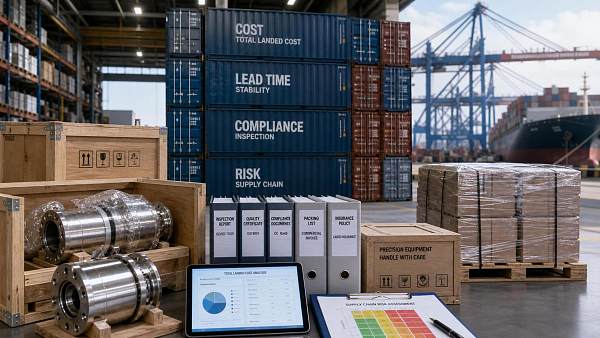
5. Clearer landed-cost visibility
Freight rates are only part of total cost. Demurrage, storage, handling, and inland transfer charges can quickly change project economics.
Shipping agents who explain these components upfront support more realistic procurement planning and fewer budget surprises.
Typical scenarios where shipping agents become strategically important
Not every shipment needs the same support level. However, several project types show why shipping agents can influence outcomes well beyond transport administration.
How this connects with measurable infrastructure quality
A product may test well in thermal efficiency, system uptime, or material fatigue. Yet value can still erode if shipping weakens traceability or causes site delays.
That is why logistics performance should be viewed as part of infrastructure quality assurance, especially in international tourism development.
TerraVista Metrics focuses on turning manufacturing claims into standardized evidence. In the same spirit, shipping agents should support measurable control points across movement and delivery.
- Document accuracy rates
- Transit milestone reporting consistency
- Damage incidence by cargo type
- Customs clearance variance
- On-site delivery adherence
These indicators help compare shipping agents in a disciplined way rather than relying on general promises or rate-based selection alone.
Practical guidance for evaluating shipping agents
Choosing among shipping agents becomes easier when evaluation criteria match project complexity. A low-cost booking service may not fit a high-dependency infrastructure schedule.
Use a structured review approach
- Check experience with technical or project-based cargo.
- Ask how documents are reviewed before departure.
- Confirm escalation procedures for delays or customs issues.
- Review visibility tools, milestone reporting, and update frequency.
- Assess destination support, including port and inland coordination.
Warning signs to notice
- Quotes without clear charge breakdowns
- No process for cargo-specific packaging review
- Limited communication during transshipment changes
- Weak understanding of destination restrictions
- Overreliance on generic transit-time estimates
Action steps for stronger logistics decisions
Cross-border delivery should be assessed with the same discipline used for engineering, durability, and system integration. That is where shipping agents can become a meaningful operational asset.
Start by mapping shipment-critical milestones, document dependencies, installation sequences, and destination constraints before selecting routing or booking terms.
Then compare shipping agents using measurable criteria: responsiveness, technical cargo experience, document control, local coordination strength, and disruption management capability.
For tourism infrastructure and hospitality hardware, logistics quality is not separate from product quality. Both affect project precision, timeline stability, and long-term operational performance.
When shipping agents add value beyond booking cargo, they help protect the integrity of international procurement from factory release to final site deployment.
Recommended News
 Sep 18, 2026Technical Procurement in Southeast Asia: Evaluating Suppliers, Compliance, and Lead TimesTechnical procurement Southeast Asia: evaluate suppliers, compliance, lead times, and total cost to secure reliable, project-ready assets. Read the practical guide.
 Sep 17, 2026Glamping Site Supplier Selection: A Checklist for Quality, Lead Times, and SupportGlamping site supplier selection made simple: assess quality, lead-time reliability, installation readiness, and after-sales support for a resilient, profitable site.
 Sep 10, 2026How to Evaluate Resort Slide System Suppliers for Safety, Capacity, and Project SupportResort slide systems supplier evaluation guide: compare safety evidence, real capacity, durable materials, and project support for confident resort investments.
 Aug 27, 2026Hospitality Supplier Comparison: A Procurement Framework for Quality, Cost, and ReliabilityHospitality supplier comparison: evaluate quality, total cost, compliance, and service reliability to reduce procurement risk and protect guest experience.
 Aug 14, 2026Bedding Sets Wholesale: How to Choose the Right Supplier for Hotels and RetailersBedding sets wholesale for hotels and retailers: learn how to choose the right supplier for quality, compliance, and reliable delivery.
 Aug 11, 2026ITB China 2026 Closes With 900 Global ExhibitorsITB China 2026 closes with 900 global exhibitors from 85 countries, highlighting China’s growing role in tourism sourcing, travel tech, and cross-border supply chain opportunities.
 Aug 06, 2026How to Evaluate a Marine Hospitality Solutions Provider for Guest Experience and ROIMarine hospitality solutions provider evaluation starts with performance, not visuals. Learn how to assess guest experience, compliance, integration, and lifecycle ROI before you invest.
 Jul 20, 2026Supplier Capability Verification: How to Assess Quality, Capacity, and Delivery RiskSupplier capability verification helps buyers assess quality, production capacity, and delivery risk with a practical framework to reduce sourcing surprises and make smarter procurement decisions.
 Jul 14, 2026Global Sourcing Procurement Planning: Key Cost, Risk, and Lead-Time Factors to CompareGlobal sourcing procurement planning: compare total landed cost, lead-time reliability, compliance, and supplier risk to avoid hidden losses and make smarter sourcing decisions.
 Jul 12, 2026Hotel Furnishing for Guest Rooms: What to Check Before Comparing Suppliers and QuotesHotel furnishing for guest rooms: learn what to verify before comparing suppliers and quotes, from materials and compliance to lead times and lifecycle cost.
 Jul 09, 2026High-End Furniture Quotation Explained: What Drives Price and How to Compare OffersHigh-end furniture quotation explained: learn what drives price, how to compare offers, spot hidden risks, and choose durable, compliant value for hospitality projects.
 Jul 08, 2026How to Choose a Thermal Efficiency Testing Service Provider for Compliance and ROIThermal efficiency testing service provider selection affects more than compliance. Learn how to compare scope, reporting, and ROI to reduce risk, control costs, and choose with confidence.
![]() Jul 07, 2026How to Choose a Smart Home Devices Wholesale Supplier in China for Stable OEM OrdersSmart home devices wholesale supplier in China selection starts with OEM stability, compliance, and quality control. Learn how to avoid sourcing risks and secure reliable long-term orders.
Jul 07, 2026How to Choose a Smart Home Devices Wholesale Supplier in China for Stable OEM OrdersSmart home devices wholesale supplier in China selection starts with OEM stability, compliance, and quality control. Learn how to avoid sourcing risks and secure reliable long-term orders. Jul 05, 2026How to Use Sourcing Guides Category Education to Compare Suppliers and Reduce Buying RiskSourcing guides category education helps buyers compare suppliers with real evidence, cut procurement risk, and evaluate compliance, durability, integration, and total cost with confidence.
 Jul 04, 2026Plastic Machinery Buying Guide: Key Machine Types, Output Needs, and Cost FactorsPlastic machinery buying guide covering key machine types, real output planning, and total cost factors. Compare suppliers smarter, reduce risk, and choose equipment that supports quality and ROI.
 Jul 03, 2026Metal Fabrication Processes Compared: Cutting, Bending, Welding, and When to Use EachMetal fabrication choices shape cost, strength, finish, and lead time. Compare cutting, bending, and welding to choose the right process for durable, efficient results.
 Jul 02, 2026Product Category ISO Standards: How to Check Compliance Requirements Before SourcingProduct category ISO standards are the first check before sourcing. Learn how to verify real compliance, reduce risk, avoid delays, and choose suppliers with confidence.
 Jul 01, 2026How to Use an Exporters Directory with Verified Suppliers for Safer Sourcing DecisionsExporters directory with verified suppliers: learn how to screen exporters, spot weak claims, reduce sourcing risk, and build a safer shortlist for smarter buying decisions.
 Jun 30, 2026CNC Machining Price Breakdown: What Drives Cost for Materials, Tolerances, and Volume?CNC machining price explained: see how materials, tolerances, and production volume affect cost, risk, and quote accuracy to help buyers source smarter and save more.
 Jun 29, 2026How to Evaluate a Technical Integration Solutions Provider for Multi-System ProjectsTechnical integration solutions provider selection starts with risk, not demos. Learn how to assess interoperability, security, compliance, and long-term reliability for multi-system projects.
 Jun 28, 2026Hospitality Equipment Comparison: What to Evaluate Before Buying for Hotels and ResortsHospitality equipment comparison for hotels and resorts: evaluate durability, compliance, integration, sustainability, and lifecycle cost before buying to avoid costly mistakes.
 Jun 24, 2026Trade Resources for Importers in China: How to Vet Suppliers and Compare TermsTrade resources for importers in China help you vet suppliers, compare terms, and uncover quality or compliance risks early for smarter, safer sourcing decisions.
 Jun 23, 2026How to Evaluate a Structural Steel Manufacturer for Quality, Capacity, and CertificationsStructural steel manufacturer evaluation guide: learn how to assess quality systems, production capacity, and certifications to reduce risk, avoid delays, and choose a supplier with confidence.
 Jun 22, 2026Supplier Capability Analysis: Which Metrics Matter Before You Approve a New Supplier?Supplier capability analysis helps you assess quality, delivery, compliance, and risk before approving a new supplier. Discover the key metrics that protect performance and support smarter procurement decisions.
Quarterly Executive Summaries Delivered Directly.
Join 50,000+ industry leaders who receive our proprietary market analysis and policy outlooks before they hit the public library.