Search News
TerraVista Metrics (TVM)Industry Portal
TerraVista Metrics (TVM)Hot Articles
TerraVista Metrics (TVM)- Synthetic Rattan Resort Furniture: What to Check for Coastal DurabilityBuying synthetic rattan resort furniture? Discover key checks for UV resistance, corrosion protection, and warranty coverage to reduce coastal replacement costs and buy with confidence.
- Six Flags to Add Seat Belts to Goliath and Similar Roller CoastersSix Flags plans to add seat belts to Goliath and similar roller coasters. Learn about the safety changes, Goliath’s closure and what visitors should watch for next.
- Which Hospitality Furniture Compliance Standards Apply to U.S. Hotels?Explore hospitality furniture compliance standards for U.S. hotels, from fire safety and ADA requirements to supplier documentation. Make informed purchases and reduce compliance risks.
Popular Tags
TerraVista Metrics (TVM)Industry NewsEco-Friendly Cabins vs Traditional Builds
auth.Julian Thorne (Sustainable Infrastructure Architect)Time
Oct 24, 2026Click Count
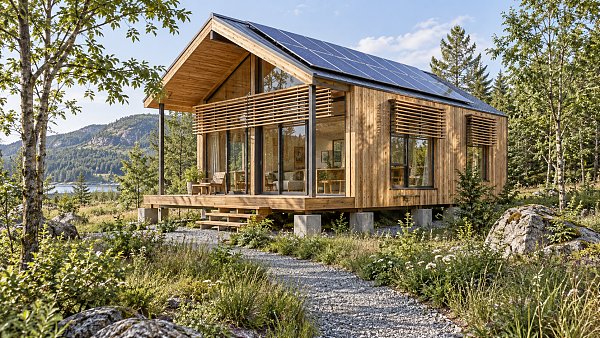
Choosing between eco-friendly cabins and traditional builds now requires more than design preference. For tourism architects, procurement teams, and hospitality ecosystem decision-makers, the real question is performance: thermal efficiency, modular building wind load resistance, carbon compliance, and smart hotel IoT integration. This comparison uses hospitality benchmarking logic to reveal which solution delivers stronger long-term value, operational resilience, and measurable returns.
How should buyers define eco-friendly cabins versus traditional builds in tourism projects?
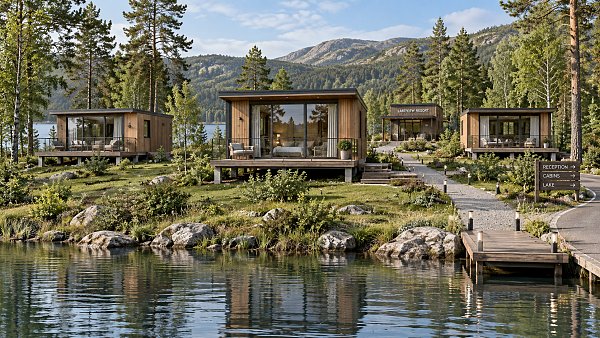
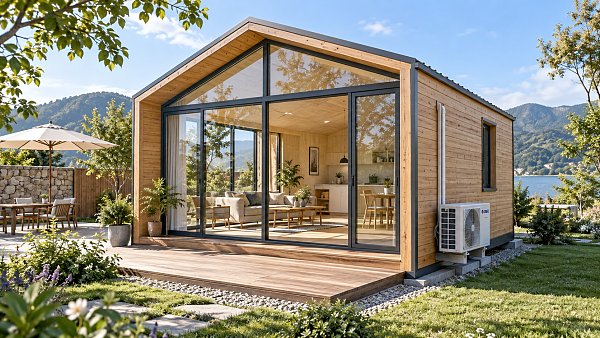
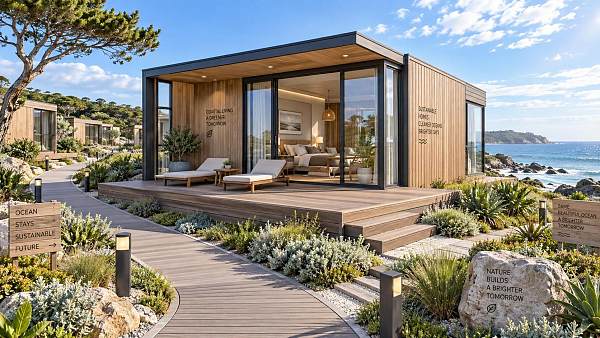
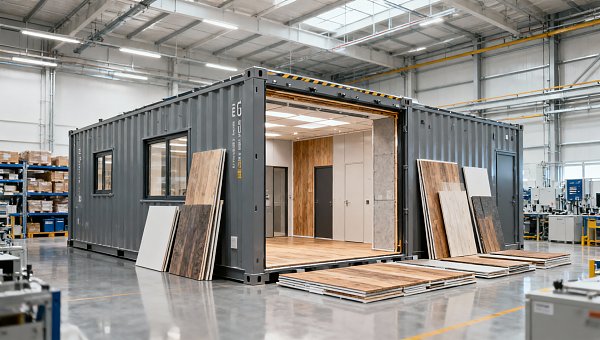
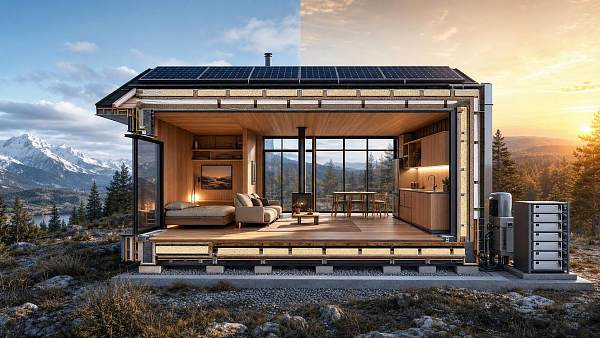
In hospitality development, an eco-friendly cabin usually refers to a prefabricated or modular accommodation unit designed with lower-impact materials, improved insulation, faster assembly, and a stronger sustainability profile across production, transport, installation, and operation. A traditional build, by contrast, is generally site-built through sequential civil works, structural framing, MEP installation, and interior fit-out over a longer timeline that often ranges from 3 to 9 months depending on local conditions.
For information researchers and procurement teams, the difference is not simply aesthetic. The key issue is whether the asset can maintain guest comfort within common hospitality temperature ranges, withstand repeated occupancy cycles, and support utility and digital systems without expensive retrofits. In glamping parks, eco-resorts, and remote destination projects, these factors directly affect opening schedules, maintenance budgets, and long-term repositioning options.
TerraVista Metrics approaches this decision as a benchmarking problem. Instead of relying on brochure claims, TVM evaluates structural logic, thermal behavior, system compatibility, and service life indicators. For buyers comparing eco-friendly cabins and traditional builds, this creates a more stable basis for vendor screening, especially when products are sourced across borders and documentation quality varies from supplier to supplier.
Three practical definitions procurement teams should use
- Operational definition: Can the building maintain comfort, moisture control, and utility stability through seasonal occupancy changes and daily guest turnover?
- Commercial definition: Does the solution reduce construction risk, shorten time to revenue, and simplify multi-site deployment in batches of 5, 20, or 50 units?
- Compliance definition: Can the supplier provide enough material, engineering, and systems documentation to support local approval, carbon reporting, and hotel technology integration?
This framing matters because a resort operator may accept a slightly higher upfront unit cost if the project gains 6 to 12 weeks in deployment speed, lowers HVAC demand, and reduces site disruption during peak tourism periods. In other words, selection should be based on total project performance rather than construction tradition.
What does the performance comparison look like in real procurement terms?
When comparing eco-friendly cabins and traditional builds, most B2B buyers focus on six dimensions: construction speed, thermal efficiency, site impact, structural resilience, systems integration, and lifecycle maintenance. These categories are more useful than generic “green” marketing because they connect directly to CAPEX planning, operational readiness, and guest experience consistency.
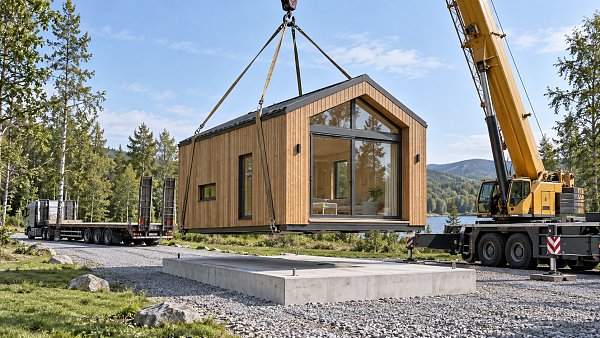
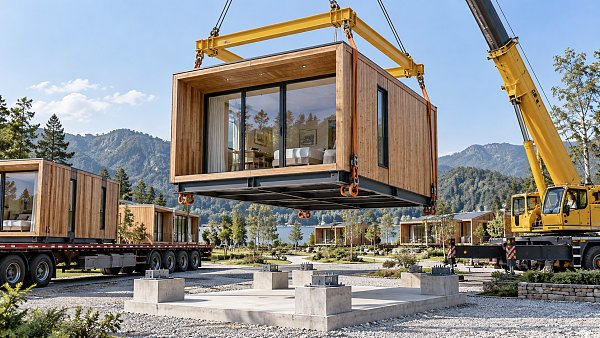
For example, prefabricated cabins often compress on-site installation into a period of 7 to 30 days per unit or cluster, depending on foundation method, crane access, and utility readiness. Traditional builds may require longer on-site coordination because foundations, shell work, interior trades, weather delays, and inspection stages happen in sequence. That difference can materially affect revenue timing in seasonal destinations.
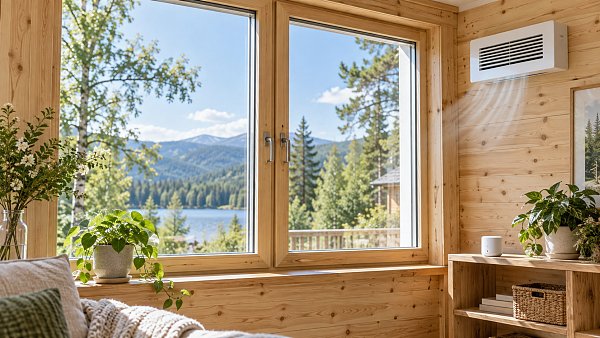
Thermal behavior is another decisive metric. Buyers should ask how the wall assembly, roof insulation, glazing package, and air sealing perform under common operating ranges such as hot daytime peaks, cold nights, or high-humidity shoulder seasons. A cabin with better envelope control may reduce HVAC sizing pressure and stabilize guest comfort, while a poorly documented site build can still underperform despite higher material volume.
The table below summarizes a practical comparison framework procurement and business evaluation teams can use during initial screening. It is not a universal verdict, because local code, terrain, climate, and utility access still matter, but it does clarify where each option tends to create advantage or risk.
The main takeaway is not that one option always wins. Eco-friendly cabins tend to perform well where repeatability, speed, and measurable envelope quality are priorities. Traditional builds can remain suitable where architectural complexity, highly customized local materials, or permanent civic-style structures justify a longer development path.
Where many evaluations go wrong
Many comparisons stop at unit price or visual finish. That is risky. A lower shell cost can be offset by weaker insulation, delayed commissioning, inconsistent moisture control, or incomplete MEP integration. Buyers should compare the full build package across at least 5 checkpoints: structure, envelope, utilities, digital infrastructure, and documentation quality.
TVM’s value is in converting these checkpoints into measurable review criteria. For global tourism buyers sourcing from manufacturing-heavy regions, this helps separate attractive renderings from verifiable engineering readiness.
Which technical metrics matter most for resorts, glamping, and smart hospitality sites?
Technical performance should be reviewed through actual use conditions, not generic product labels. In tourism projects, the most relevant metrics usually include thermal insulation stability, wind load resistance, moisture management, acoustic comfort, floor loading, power distribution compatibility, and smart hotel IoT readiness. These are the specifications that affect guest satisfaction, maintenance frequency, and site uptime.
For eco-friendly cabins, thermal envelope consistency is often a major procurement advantage because factory-controlled assembly can reduce irregular sealing and insulation gaps. Buyers should still request documented wall, roof, and glazing composition, plus a clear explanation of how junction points are protected against condensation. This becomes particularly important in coastal, alpine, or high-humidity destinations where seasonal variation can stress lightweight structures.
For traditional builds, buyers often assume durability is automatically superior. That assumption is unsafe unless the build specification, trade supervision, and commissioning standards are well defined. A masonry or concrete structure may be robust, but if HVAC routing, vapor control, or network backbone planning are treated as secondary issues, the finished property can still create recurring operational defects within the first 12 to 24 months.
Key technical checkpoints before supplier approval
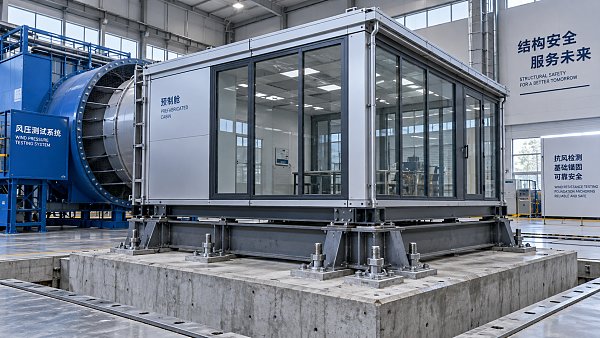
- Structural verification: Ask for wind load assumptions, transport constraints, anchoring logic, and any seismic or terrain-related design limitations.
- Envelope review: Confirm insulation assembly, moisture barriers, glazing type, and expected performance across common climate bands.
- Systems readiness: Check electrical load planning, plumbing interfaces, wastewater logic, and whether smart devices are pre-wired or field-installed.
- Maintenance access: Review serviceability for HVAC, controls, roof inspection, replacement panels, and spare part sourcing over a multi-year period.
For procurement teams comparing multiple suppliers, TVM-style benchmarking can standardize these technical reviews into a single matrix. That is especially useful when one supplier emphasizes sustainability language, another emphasizes luxury aesthetics, and a third emphasizes speed. Without a common metric framework, decision quality drops quickly.
Typical parameter ranges buyers should ask suppliers to clarify
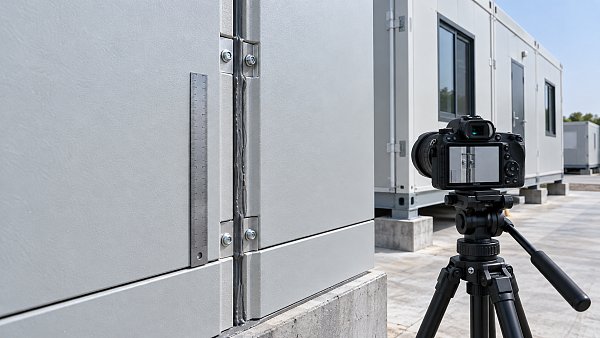
Even when exact figures vary by project, buyers should request standard operating ranges and installation boundaries. Examples include acceptable ambient temperature ranges, recommended occupancy per unit, service access clearances, utility input requirements, and expected installation tolerance bands such as levelness or anchoring alignment. These are not small details. They determine whether a cabin is deployment-ready or merely presentation-ready.
How do cost, delivery, and lifecycle economics differ?
Cost comparison should be handled in layers. The first layer is direct build cost. The second is logistics and installation. The third is time to operation. The fourth is lifecycle maintenance, utility efficiency, and retrofit burden. In tourism infrastructure, the fourth layer often changes the decision more than the first, because guest turnover, seasonal occupancy, and utility volatility magnify small design weaknesses over time.
Eco-friendly cabins may require upfront budgeting for transportation, craning, foundations, and utility interfaces, but they can also reduce labor uncertainty and compress program schedules. Traditional builds may appear easier to price locally, yet they often carry longer site overhead, more weather exposure, and broader coordination risk across civil, structural, interior, and MEP teams. For remote resort sites, this difference becomes more pronounced as labor mobilization costs rise.
Procurement teams should not ask only, “Which is cheaper?” A better question is, “Which solution produces the lower total cost of occupancy over 3 to 7 years while meeting brand, compliance, and guest expectations?” The table below helps structure that commercial review.
For dealers and distributors, this layered model is also useful in channel discussions. Clients often respond better to a lifecycle framework than to a product-only pitch. It shifts the conversation from catalog features to commercial outcomes such as opening date reliability, maintenance predictability, and repeat deployment value.
A practical 4-step cost review
- Separate factory cost, logistics, and site preparation instead of treating them as one blended number.
- Estimate commissioning and opening delays in weeks, not just in contractor allowances.
- Model energy and maintenance exposure over at least 3 annual cycles.
- Include future replication value if the brand plans multi-site rollout within 12 to 36 months.
This is the point where TVM’s benchmarking becomes commercially powerful. By translating technical durability and performance into procurement-ready comparisons, teams can defend decisions internally and reduce friction between engineering, operations, and finance.
What should buyers verify for compliance, carbon reporting, and smart system integration?
In global tourism infrastructure, compliance is rarely a single certificate. Buyers may need to evaluate structural design assumptions, fire safety logic, electrical compatibility, material declarations, wastewater planning, and digital infrastructure readiness. For eco-friendly cabins, the compliance burden often centers on proving that prefabricated efficiency does not compromise local acceptance, durability, or safety expectations.
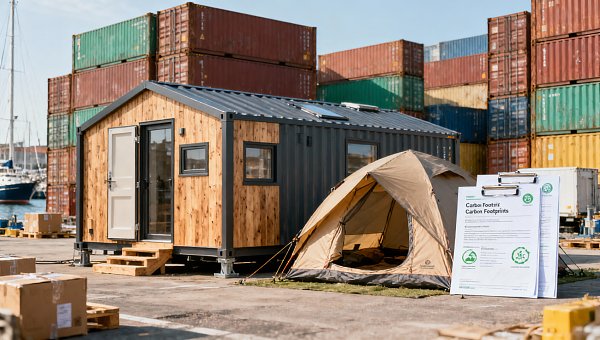
Carbon-related procurement also requires discipline. A cabin marketed as sustainable should not be accepted on appearance alone. Buyers should ask for material composition, insulation specification, manufacturing documentation, transport assumptions, and the operational logic behind reduced energy demand. Traditional builds face the same scrutiny when sustainability claims are made around local materials, passive design, or energy-efficient systems.
Smart hospitality integration is another high-risk blind spot. If cabins are expected to support smart locks, occupancy sensors, room controls, PMS-connected gateways, or energy management platforms, procurement teams must verify power layout, cable routing, enclosure access, and network planning before shipment or build-out. Retrofitting these systems after installation can create avoidable cost and guest disruption.
Documentation checklist for B2B evaluation
This checklist is valuable because global buyers often receive uneven documentation from different suppliers. TVM helps normalize that information into comparable whitepaper-style benchmarks, making it easier to identify where claims are supported, where assumptions remain vague, and where technical diligence is still required before contract award.
Common compliance mistakes
The most common mistakes are approving a design before utility interfaces are finalized, assuming “eco” language equals code readiness, and overlooking digital system requirements until the final fit-out stage. In practice, buyers should plan at least 3 review gates: pre-specification, pre-production, and pre-handover.
Which option fits different tourism deployment scenarios?
The better choice depends heavily on use case. A remote eco-resort with sensitive terrain and phased demand growth may favor eco-friendly cabins because lower site disruption and modular rollout are strategic advantages. An urban hospitality project with complex permanent architecture and dense local code interfaces may still justify traditional building methods. The key is matching construction logic to operating reality.
For glamping operators, standardized cabins often make sense when the business model depends on rapid cluster expansion, repeat brand identity, and seasonal installation windows. For destination developers, traditional builds may be appropriate when the asset is intended as a signature structure with heavy public interfaces, extensive shared amenities, or highly customized spatial planning. Neither path is automatically more professional; the correct answer is scenario-specific.
Scenario-based selection guidance
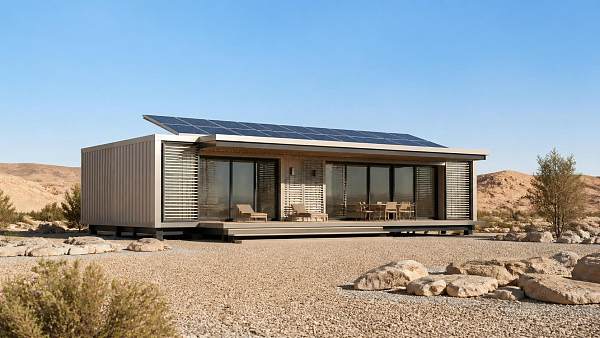
- Remote mountain, desert, or island projects: Eco-friendly cabins often reduce site labor concentration and support faster phased deployment where weather windows are short.
- High-volume branded resort expansion: Modular cabins can improve consistency across 10 to 100 units and simplify procurement standardization.
- Architecturally iconic destination assets: Traditional builds may better support bespoke geometry, extensive mixed-use integration, and civic-grade permanence.
- Smart hospitality pilots: Cabins with pre-wired control systems can accelerate proof-of-concept deployment and data collection for future scale-up.
Distributors and agents can use this scenario language to qualify leads early. Instead of starting with product catalogs, start with terrain, climate, occupancy profile, utility conditions, and rollout speed. That approach usually shortens the sales cycle and produces more defensible quotations.
A simple decision rule
If the project depends on speed, replicability, measurable thermal performance, and lower site disruption, eco-friendly cabins deserve serious priority review. If the project depends on permanent civic-scale architecture, extensive customization, and complex shared-space construction, traditional builds may remain the stronger fit. The decision should be made after a structured review of 5 factors: terrain, climate, utility access, deployment speed, and brand operating model.
FAQ: what do procurement teams and project evaluators ask most often?
Are eco-friendly cabins always cheaper than traditional builds?
Not always. They may reduce labor uncertainty, accelerate opening, and improve repeatability, but transport, craning, foundation strategy, and technical specification all affect total cost. The better comparison is full project economics over 3 to 7 years, including maintenance and energy exposure, not shell price alone.
How long does delivery usually take?
A common modular timeline includes 2 to 8 weeks for design confirmation and production planning, then shipping and site assembly that may take another 1 to 4 weeks depending on location and scope. Traditional builds often follow a longer path because civil works, superstructure, interior trades, and approvals occur in sequence.
What should buyers look at first when evaluating an eco-friendly cabin supplier?
Start with four areas: structural documentation, thermal envelope details, utility and IoT integration readiness, and handover documentation. If these are weak or inconsistent, decorative finishes should not influence the decision. Technical clarity is more important than presentation quality in early-stage supplier screening.
Can traditional builds still outperform modular cabins?
Yes, especially in highly customized projects with strong local execution teams, complex shared spaces, and long development horizons. The risk is that many teams assume traditional methods guarantee quality. In reality, performance still depends on supervision, detailing, commissioning, and systems coordination.
Why work with TerraVista Metrics when comparing tourism infrastructure options?
TVM is built for buyers who need more than sales language. In tourism and hospitality supply chains, the most expensive mistakes often happen before purchase orders are issued: vague specifications, incomplete compliance reviews, weak thermal assumptions, and poor digital integration planning. TVM reduces that ambiguity by translating supplier claims into engineering-oriented evaluation logic.
For procurement managers, business evaluators, and channel partners, this means clearer decision support across several fronts: parameter confirmation, build method comparison, carbon compliance review, documentation screening, and multi-supplier benchmarking. For developers entering cross-border sourcing, it also creates a more reliable bridge between manufacturing capability and project-grade technical interpretation.
What you can consult with TVM
- Thermal efficiency and envelope comparison for eco-friendly cabins and traditional builds in different climate scenarios.
- Modular building wind load resistance, anchoring logic, and remote-site deployment constraints.
- Carbon compliance documentation review, material declaration questions, and sustainability claim validation.
- Smart hotel IoT integration planning, including pre-wiring, device compatibility, and handover checkpoints.
- Supplier comparison, sample evaluation logic, delivery cycle review, and quotation alignment for phased procurement.
If your team is comparing eco-friendly cabins and traditional builds for a resort, glamping site, or smart hospitality project, contact TVM with your floor plan, target climate, deployment quantity, utility assumptions, and expected opening window. We can help you refine the evaluation matrix, confirm key parameters, review delivery feasibility, and identify which solution is more likely to meet your technical, commercial, and operational goals.
The most useful starting materials are simple: preliminary drawings, a target unit count such as 5, 20, or 50 rooms, desired handover timing, preferred smart system scope, and any local compliance constraints already known. With that input, the discussion moves quickly from broad preference to measurable procurement judgment.
Recommended News
 Oct 21, 2026Prefab Cabin Integration Testing: Power, HVAC, and Controls Checks Before DeliveryExplore prefab integration testing for cabins to verify power, HVAC, controls, and fault recovery before delivery. Discover key checks to reduce risk and make confident acceptance decisions.
 Oct 20, 2026What Is Modular Tourism, and Where Do Prefab Guest Cabins Make Sense?Explore modular tourism and discover where prefab guest cabins work best. Compare site access, approvals, infrastructure, and costs to plan a smarter tourism investment.
 Oct 19, 2026How Do You Prevent Condensation Inside an Eco Cabin?How do I stop condensation inside an eco cabin? Discover practical ventilation, humidity control, and insulation tips to reduce dampness and keep your cabin dry and comfortable.
 Oct 18, 2026How Much Does an Eco Cabin Cost Including Delivery and Installation?How much does an eco cabin cost once delivery and installation are included? Discover hidden site costs, compare quotes, and build a reliable guest-ready budget before you buy.
 Oct 17, 2026Why Is a Well-Insulated Cabin Still Expensive to Cool?Why is a well-insulated cabin still expensive to cool? Uncover hidden solar gain, air leaks, humidity, and HVAC issues—and learn how to cut cooling costs without sacrificing comfort.
 Oct 16, 2026Can a Modular Cabin Be Relocated Without Voiding Its Warranty?Can a modular cabin be relocated without losing its warranty? Discover the approval, transport, and reinstallation steps that help protect coverage and avoid costly relocation mistakes.
 Oct 15, 2026Do Cracks Around Cabin Joints Require an Engineering Inspection?Do cracks around cabin joints need an engineering inspection? Discover key warning signs, when monitoring is appropriate, and how to choose the right next step before repairs.
 Oct 15, 2026How Do You Verify a Prefab Cabin's Wind-Load Rating?How do I verify a prefab cabin's wind-load rating? Discover the engineering reports, site checks, and anchorage details you need to assess supplier claims and buy with confidence.
 Oct 14, 2026What Makes Eco Cabins Sustainable? Materials, Energy Use, and Site ImpactWhat makes eco cabins truly sustainable? Explore materials, energy use, and site impact, plus the evidence you need to compare options and make smarter, greener choices.
 Sep 22, 2026Industrial Compressors: How to Size Air Capacity and Pressure for Factory DemandIndustrial compressors sizing guide: calculate factory air capacity, end-use pressure, peak demand, receiver storage, leakage, and energy-efficient system performance.
 Sep 09, 2026Sustainable Building Materials Pricing: How Buyers Compare Cost, Life Cycle, and RiskSustainable building materials pricing explained: compare installed cost, life-cycle value, carbon evidence, and supply-chain risk for smarter procurement decisions.
 Aug 29, 2026How to Assess Modular Building Suitability for Middle East Climate and Site ConditionsModular building assessment Middle East: evaluate heat, dust, corrosion, logistics, compliance, and lifecycle value for resilient site-ready projects.
 Aug 16, 2026EU Sets Mandatory Carbon Footprint Certification for Imported Modular CabinsEU mandatory carbon footprint certification will reshape imported modular cabins compliance from 2027. Learn key EU rules, EN 15804+A2 impacts, exporter risks, and how to prepare early.
 Aug 12, 2026New Exit Compliance Rule Reshapes Bids and AI Travel ProofExit compliance rule now reshapes bids and AI travel proof, raising export compliance demands for glamping tents, modular cabins, smart lighting, and kiosk tech. Learn what changes first.
 Jul 13, 2026EU Fire Rule Tightens Testing for Modular CabinsEU Fire Rule Tightens Testing for Modular Cabins: learn how EN 13501-1:2026 shifts CE compliance to component fire testing, impacts lead times, and affects EU export planning.
 Jul 12, 2026Prefab Thermal Efficiency Analysis: Which Metrics Matter for Off-Grid Cabin Design?Prefab thermal efficiency analysis for off-grid cabins: discover the key metrics that shape energy use, comfort, moisture control, and smarter supplier selection.
 Jul 11, 2026EN 16893:2026 Takes Effect for Modular CabinsEN 16893:2026 takes effect for modular cabins in the EU, making third-party verification essential for customs, listing, and project approval. Learn the key compliance changes now.
 Jul 10, 2026China Customs Tightens EU Modular Cabin DeclarationsChina Customs tightens EU Modular Cabin declarations: learn the new EN 16893:2026 and CNAS filing rules, 72-hour delay risks, and how exporters can stay compliant.
 Jul 09, 2026Berlin ITMA 2026 Adds Modular Cabins ZoneBerlin ITMA 2026 adds a Modular Cabins Zone for carbon-neutral prefab solutions, featuring verification, compatibility testing, and cross-border sourcing insights. See what buyers and suppliers should watch.
 Jul 09, 2026Modular Tourism Structures Cost: 7 Factors That Affect Budget, Transport, and InstallationModular tourism structures cost explained: discover the 7 key factors shaping budget, transport, and installation, and learn how to avoid hidden expenses before signing.
 Jul 07, 2026Vietnam Enforces New Import Rules for Modular CabinsVietnam Enforces New Import Rules for Modular Cabins: learn how VNSP registration, QR labeling, and LCA carbon filings affect customs clearance, supplier readiness, and delivery risk.
![]() Jul 06, 2026Vietnam Mandates QR Traceability Labels for Modular CabinsVietnam mandates QR traceability labels for Modular Cabins from July 15, 2026. Learn the new compliance rules, port return risks, and key actions for exporters and buyers.
Jul 06, 2026Vietnam Mandates QR Traceability Labels for Modular CabinsVietnam mandates QR traceability labels for Modular Cabins from July 15, 2026. Learn the new compliance rules, port return risks, and key actions for exporters and buyers. Jul 05, 2026Pre-Engineered Cabins Buying Guide: Key Specs, Layout Options, and Cost FactorsPre-engineered cabins buying guide covering key specs, layout options, and real cost factors. Learn how to compare suppliers, avoid hidden costs, and choose units built for long-term performance.
 Jul 04, 2026How to Choose Insulated Hospitality Units for Year-Round Resorts and Remote SitesInsulated hospitality units for year-round resorts and remote sites: learn how to compare thermal performance, durability, compliance, and lifecycle cost for smarter investment decisions.
{item.publish_time}{item.title}{item.description}Quarterly Executive Summaries Delivered Directly.
Join 50,000+ industry leaders who receive our proprietary market analysis and policy outlooks before they hit the public library.