Search News
TerraVista Metrics (TVM)Industry Portal
TerraVista Metrics (TVM)Hot Articles
TerraVista Metrics (TVM)- EU Cableway Compliance: Safety Analysis and Pre-Opening Approval RequirementsMaster EU cableway systems regulatory compliance: explore safety analysis, conformity evidence, and pre-opening approval requirements to avoid delays and prepare for passenger service.
- Synthetic Rattan Resort Furniture: What to Check for Coastal DurabilityBuying synthetic rattan resort furniture? Discover key checks for UV resistance, corrosion protection, and warranty coverage to reduce coastal replacement costs and buy with confidence.
- Six Flags to Add Seat Belts to Goliath and Similar Roller CoastersSix Flags plans to add seat belts to Goliath and similar roller coasters. Learn about the safety changes, Goliath’s closure and what visitors should watch for next.
Popular Tags
TerraVista Metrics (TVM)Industry NewsWhen Benchmarking Tools Create More Noise Than Insight
auth.Time
Oct 24, 2026Click Count
When benchmarking tools generate more noise than clarity, procurement and evaluation teams risk making costly decisions on incomplete evidence. Effective benchmarking software should turn fragmented benchmarking data into a reliable benchmarking analysis, enabling a sharper benchmarking comparison across suppliers, systems, and performance claims. For tourism and hospitality stakeholders, a disciplined benchmarking process is essential to separate marketing language from measurable engineering value.
Why Benchmarking Tools Often Fail Procurement Teams
In tourism and hospitality infrastructure, benchmarking should reduce uncertainty. In practice, many tools do the opposite. They collect too many indicators, mix technical and promotional data, and present dashboards that look precise but do not support a real purchasing decision. For information researchers, procurement managers, commercial evaluators, and distributors, the result is familiar: more charts, less confidence.
The problem usually begins with weak benchmarking data. A supplier may highlight insulation values for prefab cabins, while another emphasizes installation speed. A hotel systems vendor may promote IoT device count, while another stresses interface compatibility. Without a structured benchmarking process, teams compare non-equivalent data points and mistake visibility for insight.
This is especially risky in projects with 3 core pressures at once: technical durability, carbon compliance, and system integration. A glamping developer cannot rely on surface aesthetics if the unit must perform across seasonal temperature shifts. A resort buyer cannot approve a smart hotel platform only because a dashboard looks advanced if data throughput, device stability, and protocol compatibility remain unclear over a 12–36 month operating horizon.
TerraVista Metrics (TVM) addresses this gap by treating benchmarking as an engineering filter rather than a marketing summary. Instead of asking which product appears stronger, the better question is which product maintains measurable performance under comparable operating conditions, over a defined test window, and against procurement-relevant criteria.
Where the Noise Usually Comes From
- Non-standard test conditions, such as comparing thermal efficiency under different ambient ranges or reporting network capacity without stating load assumptions.
- Overloaded dashboards that track 20+ indicators, even though only 5–7 metrics directly affect supplier selection and long-term operating risk.
- Mixing hard metrics with soft claims, such as combining material fatigue cycles with design appeal, without clear weighting logic.
- Lack of implementation context, where a benchmark compares products in theory but ignores installation, maintenance access, interoperability, and replacement lead time.
What a Useful Benchmarking Process Should Actually Measure
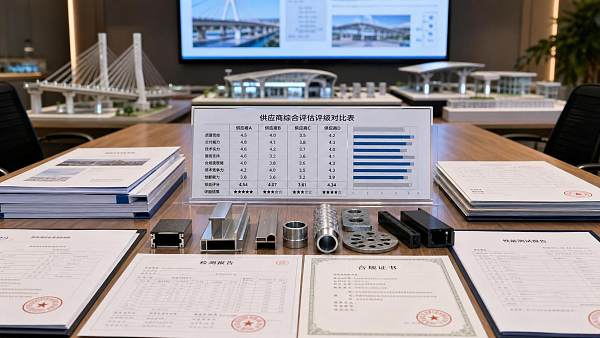
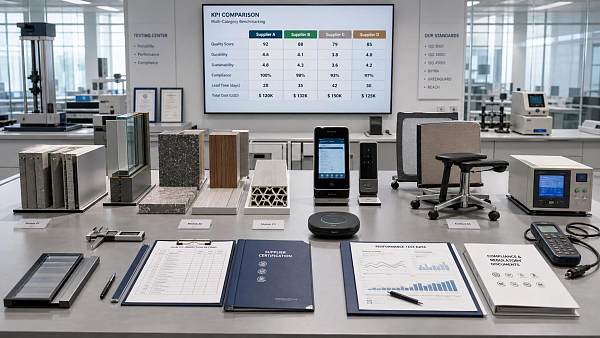
A useful benchmarking analysis begins by narrowing the scope. In tourism hardware and hospitality systems, most buying decisions can be improved by grouping evaluation into 3 layers: performance metrics, compliance indicators, and deployment practicality. This gives procurement teams a cleaner structure for benchmarking comparison and avoids the common trap of scoring everything equally.
For prefab accommodation, meaningful metrics may include thermal resistance behavior across seasonal ranges, material fatigue under repeated occupancy cycles, and assembly tolerance affecting installation speed. For hotel technology systems, relevant metrics often include data throughput, uptime stability during peak occupancy, device onboarding reliability, and integration readiness with property management or building control environments.
The next step is test normalization. If one supplier reports efficiency at 20°C and another under a wider 10°C–35°C range, the numbers cannot guide procurement without adjustment. The same applies to network systems tested at different concurrency levels or hardware life claims stated without load conditions. Good benchmarking software should make these gaps obvious instead of burying them in a scorecard.
TVM’s role is valuable here because the platform converts fragmented supplier information into standardized whitepaper-style evidence. That supports a cleaner benchmarking process for global tourism architects, operators, and sourcing teams that need data they can present internally, challenge externally, and use commercially.
A Practical Metric Framework for Tourism Procurement
Before the table below, it helps to define which metrics deserve priority in a benchmarking comparison. The goal is not to collect more numbers, but to isolate the numbers that can change supplier selection, project risk, and total operating value over the next 2–5 years.
This framework improves benchmarking analysis because it separates operational value from presentation quality. Teams can then assign weight by project type. For example, a remote eco-lodge may place more weight on thermal efficiency and maintenance access, while an urban hotel retrofit may prioritize interface compatibility and network resilience during peak occupancy periods.
Minimum Data Questions to Ask Suppliers
- Under what test conditions was the metric recorded, including temperature range, load scenario, and duration?
- Is the value based on laboratory simulation, field deployment, or third-party validation documentation?
- What performance variation is considered acceptable, such as tolerance bands, failure thresholds, or maintenance intervals?
- How does the system behave after 6 months, 12 months, or repeated seasonal cycles rather than at initial installation only?
Benchmarking Comparison by Scenario: Cabins, Smart Hotels, and Leisure Hardware
Not all benchmarking tools fail in the same way. The weakness often depends on the asset category. In tourism development, three categories repeatedly create procurement confusion: prefabricated glamping or eco-cabin structures, smart hotel infrastructure, and high-end amusement or leisure hardware. Each requires a different benchmarking process because the failure modes are different.
For prefab cabins, buyers often see broad claims around sustainability, modularity, and insulation. Yet the real evaluation should examine thermal stability across daily and seasonal variation, joint integrity after transport and installation, and material behavior under moisture, UV exposure, and repeat occupancy. A polished render is irrelevant if envelope performance drifts after one wet season.
For smart hotel systems, the noise usually comes from software presentation and ecosystem branding. Procurement should instead compare device density limits, data throughput during peak occupancy, latency tolerance, protocol openness, and recovery behavior after local network disruption. A system that looks advanced on demo day may become expensive if every integration change needs vendor intervention.
For amusement or leisure hardware, safety, fatigue resistance, maintenance intervals, and parts traceability often matter more than launch marketing. Distributors and commercial evaluators need benchmarking data that supports long-term operability, not just initial attraction value. In many cases, the strongest commercial argument is not lowest upfront price, but lower uncertainty over a 24–60 month service period.
Scenario-Based Benchmarking Comparison
The table below helps convert abstract benchmarking analysis into category-specific procurement logic. It shows which indicators are most decision-relevant, what type of noise commonly appears, and how a more disciplined benchmarking comparison should be structured.
A scenario-based view prevents a common procurement mistake: using one benchmarking template for every category. TVM’s engineering-focused approach is effective because it recognizes that benchmarking software should adapt to the decision context. A thermal envelope benchmark is not built the same way as a network stress benchmark, and neither should be interpreted through the same scorecard.
Who Benefits Most From This Structured Comparison
- Information researchers who need clean source material before shortlisting 3–5 suppliers.
- Procurement teams balancing capital cost, operating reliability, and delivery windows of 4–12 weeks or longer.
- Commercial evaluators who must justify choices internally using measurable criteria rather than presentation quality.
- Distributors and agents who need defensible product positioning in competitive bids across different markets.
How to Select Benchmarking Software Without Adding New Risk
Choosing benchmarking software is itself a procurement decision. Many teams focus on interface design, automation promises, or report templates. Those elements matter, but they are secondary. The first test is whether the tool can preserve comparability. If it cannot standardize data inputs, record test assumptions, and isolate category-specific metrics, it may accelerate confusion rather than decision quality.
For cross-border tourism supply chains, this issue becomes sharper. Buyers often collect technical files from multiple factories, language regions, and documentation formats. Some specifications are complete, some partial, and some optimized for sales. A useful platform must help teams normalize these records into one benchmarking analysis that can survive commercial scrutiny and technical review.
TVM’s value proposition is not simply data display. It is evidence structuring. That matters when a procurement team needs to validate Chinese manufacturing capacity against global project requirements, especially for buyers who require whitepaper-ready comparison logic before moving into quotation, sample review, or pilot deployment. In that context, a structural filter is more useful than a generic dashboard.
As a practical rule, teams should evaluate any benchmarking software over 4 checkpoints: input discipline, metric relevance, compliance visibility, and decision output. If one of these is weak, the tool may still look modern but fail in a real sourcing cycle.
Procurement Checklist for Selecting a Benchmarking Platform
- Can the system separate supplier claims, measured values, and inferred scores so reviewers know what is verified and what is modeled?
- Does it support category-specific benchmarking comparison for cabins, IoT systems, and leisure hardware rather than forcing one scoring template?
- Can it document compliance references, material traceability records, and operating assumptions in one review flow?
- Will the output help a team move from longlist to shortlist within 7–15 working days rather than creating another layer of interpretation?
- Can distributors or regional agents reuse the benchmark logic when responding to local clients with different project scales?
A Simple Decision Path
A disciplined benchmarking process usually follows 4 steps. First, define the asset category and operating environment. Second, reduce the indicator set to the 5–8 metrics that materially affect procurement risk. Third, normalize data sources so all suppliers are compared on a common basis. Fourth, produce a decision memo that connects metrics to commercial consequences such as maintenance load, replacement timing, or integration cost.
This is where many generic tools fall short. They stop at visualization. TVM is better aligned with B2B buying reality because the output is built to support evaluation, not merely display. That distinction matters when purchase value is high, stakeholder approval is multi-layered, and technical ambiguity can delay projects by 2–6 weeks.
Compliance, Cost, and the Hidden Price of Bad Benchmarks
Poor benchmarking does not only create analytical confusion. It changes cost. When buyers compare incomplete data, they may choose a supplier with lower initial pricing but higher lifecycle risk. In tourism infrastructure, that can show up as energy inefficiency, service interruptions, incompatible interfaces, or premature maintenance cycles. The hidden cost often appears 6–18 months after installation, when switching becomes harder and internal accountability becomes sharper.
Compliance adds another layer. For global hospitality projects, buyers may need carbon-related documentation, material traceability, and reasonable alignment with common safety and performance standards. A weak benchmarking comparison may ignore these details until late-stage review. That can delay approvals, complicate cross-border sourcing, or force substitutions after engineering work has already started.
A better benchmarking analysis should therefore connect metrics to cost categories. Not every project requires full lifecycle modeling, but every project benefits from identifying where a bad comparison can become a commercial problem. Procurement teams do not need fictional precision. They need enough structured evidence to avoid predictable mistakes.
The table below summarizes where bad benchmarking typically damages project economics and why structured evidence has direct commercial value for operators, buyers, and channel partners.
This is why benchmarking software should not be seen as a reporting convenience alone. In the tourism supply chain, it is part of cost control. TVM’s structured benchmarking process helps teams avoid paying later for assumptions they failed to examine earlier.
Common Misconceptions That Distort Evaluation
“More metrics always mean a better benchmark.”
Not necessarily. In many B2B evaluations, 5–8 validated indicators outperform 20 loosely defined ones. What matters is decision relevance, not dashboard density.
“If two suppliers mention the same metric, the values are comparable.”
They may not be. Unless the test window, load condition, and tolerance band are aligned, the benchmarking comparison can still be misleading.
“Compliance can be checked later.”
Late compliance review creates procurement friction. It is more efficient to include documentation checkpoints early, especially when sourcing from multiple regions or preparing for distributor-led resale.
FAQ and Next Step: How to Turn Benchmarking Into a Decision Tool
How do I know if my current benchmarking tool is creating noise?
If your team still struggles to shortlist suppliers after collecting substantial benchmarking data, the tool may be measuring too much or structuring too little. Common signs include repeated internal debate about data meaning, inconsistent supplier templates, and reports that look polished but do not clarify what to buy, what to reject, or what to verify further within the next 1–2 review cycles.
What should procurement teams prioritize first in a benchmarking process?
Start with the 3 elements that most affect project risk: measurable performance, compliance visibility, and deployment practicality. Then narrow your benchmarking comparison to the few indicators that influence operating cost, installation risk, and approval speed. This is more effective than trying to evaluate every possible feature at once.
How long does a practical benchmarking review usually take?
For a focused procurement review with complete supplier inputs, an initial structured benchmark can often be organized within 7–15 working days. More complex projects involving multiple asset categories, incomplete documentation, or cross-border compliance checks may require 2–4 weeks. The key variable is data quality at the start, not dashboard speed.
Why is TVM relevant for distributors and commercial evaluators, not just end buyers?
Because channel partners also need defensible technical positioning. A distributor who can explain thermal behavior, data throughput, fatigue logic, or compliance documentation with standardized benchmarking analysis gains a stronger basis for bids, tenders, and regional market education. It turns supplier claims into commercially usable evidence.
Why choose us for benchmarking support in tourism infrastructure?
TerraVista Metrics focuses on the technical realities behind tourism and hospitality procurement. We benchmark the engineering performance of prefab glamping units, smart hotel IoT networks, and high-end leisure hardware so your team can compare suppliers on measurable ground. Our work is designed for buyers who need more than a visual dashboard: they need a structural filter that supports evaluation, internal approval, and cross-border sourcing discipline.
If you are reviewing supplier claims, narrowing a shortlist, or preparing a distributor-facing comparison package, contact TVM to discuss specific benchmarking needs. You can ask about parameter confirmation, benchmarking comparison methods, delivery-cycle assumptions, compliance documentation checkpoints, sample evaluation logic, or category-specific whitepaper support. That conversation is most useful when it starts before final quotation, not after technical ambiguity has already entered the project.
Recommended News
 Oct 20, 2026Hotel Technology ROI: Calculating Payback Beyond Labor SavingsCalculate hotel technology ROI beyond labor savings. Discover how revenue gains, energy savings, ownership costs, and adoption risks affect payback—and make smarter investment decisions.
 Sep 27, 2026How to Design Scalable System Integration Testing for Multi-Vendor DeploymentsScalable system integration testing for multi-vendor deployments: build resilient, secure, and growth-ready operations with proven interface, resilience, and acceptance strategies.
 Sep 24, 2026Hotel Tourism Benchmarking: Which KPIs Reveal Competitive Market Position?Tourism benchmarking for hotels reveals the KPIs that define competitive position, from RevPAR index and demand quality to profit, guest experience, and asset resilience.
 Sep 20, 2026Supply Chain Analysis: How to Identify Cost, Risk, and Lead-Time BottlenecksSupply chain analysis helps tourism project leaders uncover cost, risk, and lead-time bottlenecks—protecting opening dates, budgets, and guest-ready operations.
 Sep 19, 2026How to Choose Industry Benchmarking Tools That Deliver Actionable Performance InsightsIndustry benchmarking tools: learn how to validate data, compare lifecycle costs, assess compliance, and turn performance evidence into smarter decisions.
 Sep 14, 2026Engineering Performance Testing Trends Reshaping Product Validation WorkflowsEngineering performance testing trend analysis reveals how assembly validation, realistic environmental loads, and digital resilience improve product reliability and reduce field failures.
 Sep 12, 2026Cloud Integration Interoperability Testing: Methods, Metrics, and Release GatesSystem interoperability testing cloud integration: explore practical methods, key metrics, and evidence-based release gates for secure, reliable connected operations.
 Sep 05, 2026What Engineering Performance Testing Should Cover During a Specification ReviewEngineering performance testing for specification review: learn how to verify structural strength, durability, safety, sustainability, and system reliability before costly project decisions.
 Aug 11, 2026How to Evaluate Materials Performance Analysis Services in Europe for Compliance-Critical ProjectsMaterials performance analysis Europe: learn how to compare accredited labs, verify compliance readiness, and choose a provider whose data, methods, and reports stand up to real project scrutiny.
 Jul 27, 2026Product Application Analysis for Procurement: How to Compare Fit, Risk, and ROIProduct application analysis for procurement helps buyers compare fit, compliance risk, lifecycle cost, and ROI with confidence. Learn a practical framework to avoid costly sourcing mistakes.
 Jul 22, 2026How to Evaluate Weather Resistance in Materials Performance Analysis?Materials performance analysis weather resistance explained: learn how to assess UV, moisture, temperature, and corrosion risks to choose durable materials with confidence.
 Jul 15, 2026Cloud Storage for Business: How to Compare Security, Access Speed, and Backup CostsCloud storage for business: compare security, access speed, and backup costs with a practical framework to reduce risk, control spend, and choose the right provider with confidence.
 Jul 14, 2026What Are Standardized Performance Benchmarks Ratings Used For in Vendor Evaluation?Standardized performance benchmarks rating explains how buyers compare vendors with verified data on compliance, durability, and lifecycle value for smarter procurement decisions.
 Jul 13, 2026Product Benchmarking Rating Explained: How to Compare Scores Across SuppliersProduct benchmarking rating explained: learn how to compare supplier scores with confidence, verify methodology, spot hidden risks, and make smarter procurement decisions.
 Jul 13, 2026How to Choose a Product Benchmarking Data Provider for Reliable Market ComparisonsProduct benchmarking data provider selection starts with methodology, transparency, and sector fit. Learn how to compare providers for reliable market insights and smarter procurement decisions.
 Jul 10, 2026Technical Integration Resilience Explained: How to Reduce Downtime Across Connected SystemsTechnical integration resilience explained: learn how to reduce downtime, prevent cascading failures, and improve uptime across connected systems with practical planning insights.
 Jul 08, 2026How to Use Product Benchmarking KPIs to Compare Competing SolutionsProduct benchmarking KPIs help you compare competing solutions with real evidence. Learn how to measure performance, lifecycle cost, compliance, and risk for smarter buying decisions.
 Jul 05, 2026How to Run an Environmental Sustainability Assessment: Metrics, Boundaries, and Trend AnalysisEnvironmental sustainability assessment trend analysis made practical: learn how to set metrics and boundaries, compare lifecycle impacts, and turn sustainability data into smarter decisions.
 Jul 04, 2026Hospitality Design Benchmarks Metrics Explained: Which KPIs Matter for Guestroom Upgrades?Hospitality design benchmarks metrics explained: discover the KPIs that matter most for guestroom upgrades, from lifecycle cost and durability to energy use, maintenance, and guest satisfaction.
 Jul 02, 2026How to Compare Product Category Pricing Models for Better Margin PlanningProduct category pricing model comparison made practical: learn how to evaluate total cost, hidden risks, and lifecycle value to improve margin planning and make smarter sourcing decisions.
 Jun 30, 2026How Technical Explainer Content for Procurement Helps Compare Specs, Risks, and SuppliersTechnical explainer content for procurement helps teams compare specs, uncover supplier risks, and choose solutions that improve compliance, lifecycle value, and long-term performance.
 Jun 29, 2026System Interoperability Testing Vendors: Key Criteria for Compliance and PerformanceSystem interoperability testing vendors compared: discover how to assess compliance, performance, independence, and real-world reliability before costly integration failures happen.
 Jun 28, 2026Product Benchmarking Explained: How to Compare Performance, Cost, and QualityProduct benchmarking explained: learn how to compare performance, cost, and quality with a practical framework that reduces risk, improves supplier selection, and supports smarter long-term decisions.
 Jun 27, 2026How to Build a Product Benchmarking Comparison Matrix for Hospitality Equipment SelectionProduct benchmarking comparison matrix guide for hospitality equipment selection. Learn to compare cost, compliance, durability, and lifecycle value with confidence.
{item.publish_time}{item.title}{item.description}Quarterly Executive Summaries Delivered Directly.
Join 50,000+ industry leaders who receive our proprietary market analysis and policy outlooks before they hit the public library.