Search News
TerraVista Metrics (TVM)Industry Portal
TerraVista Metrics (TVM)Hot Articles
TerraVista Metrics (TVM)- How to Use Practical Industry Reports to Identify Market Risks and Growth OpportunitiesPractical industry reports help uncover market risks, validate supplier claims, and identify growth opportunities before capital is committed.
- Cloud Integration Interoperability Testing: Methods, Metrics, and Release GatesSystem interoperability testing cloud integration: explore practical methods, key metrics, and evidence-based release gates for secure, reliable connected operations.
- Hotel Security Protocols: A Compliance Checklist for Protecting Guests and StaffSecurity protocols for hospitality: use this practical hotel compliance checklist to protect guests, staff, data, access points, and emergency operations.
Popular Tags
TerraVista Metrics (TVM)Industry NewsGraphene Applications in Industry That Are Becoming Practical
auth.Time
Sep 11, 2026Click Count
Graphene applications in industry are moving from lab-scale promise to measurable, real-world deployment. From thermal management and advanced coatings to stronger composites and smarter sensors, practical use cases are emerging where performance, durability, and integration can be verified. For decision-makers and researchers, understanding which applications are commercially viable is now essential to evaluating next-generation materials with confidence.
Why the Market Conversation Has Changed
For years, graphene was discussed as a breakthrough material with almost unlimited potential but limited industrial proof. That conversation is changing. Today, the most relevant question is no longer whether graphene is theoretically impressive, but which graphene applications in industry are becoming practical under real operating conditions. This shift matters because buyers, engineers, and infrastructure planners are under pressure to justify performance with measurable outcomes rather than visionary claims.
Several signals explain this change. Manufacturing methods have improved enough to support more consistent quality in selected product categories. Downstream industries now have stronger demand for lightweighting, energy efficiency, corrosion resistance, and smart monitoring. At the same time, procurement teams have become more disciplined: they want validated service life, integration compatibility, and maintenance data. In other words, graphene is entering the stage where industrial adoption depends less on novelty and more on benchmarkable utility.
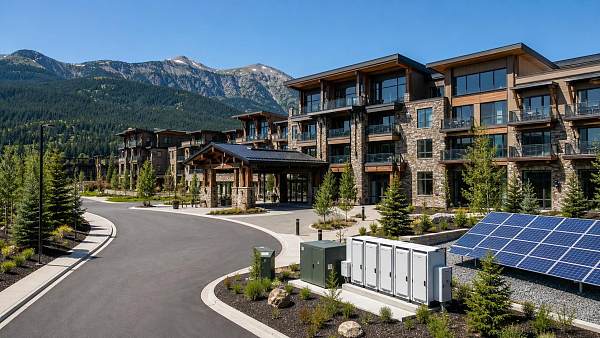
This trend is highly relevant across the broader industrial landscape, including tourism infrastructure and hospitality assets. Operators of cabins, resorts, transport-linked facilities, and smart accommodation environments increasingly evaluate materials not only for appearance, but for thermal behavior, weather durability, lifecycle cost, and sensor integration. That makes graphene-related products more visible in practical procurement discussions, especially where performance and sustainability goals intersect.
Where Practical Adoption Is Emerging First
Not all graphene applications in industry are advancing at the same speed. The applications gaining traction first are those that solve a narrow, high-value problem without requiring a complete redesign of the end product. This is a common pattern in materials commercialization: adoption starts where the material can be added into existing systems with a clear performance case.
Thermal management is one of the strongest examples. In electronics, battery assemblies, lighting, and smart control modules, graphene-enhanced films, fillers, and interface materials are being used to improve heat dissipation. The value here is practical and measurable: lower hotspot risk, better component reliability, and more stable performance in compact systems. For hospitality and tourism infrastructure, this can matter in smart room controllers, surveillance devices, charging stations, and dense IoT hardware networks where heat buildup reduces long-term reliability.
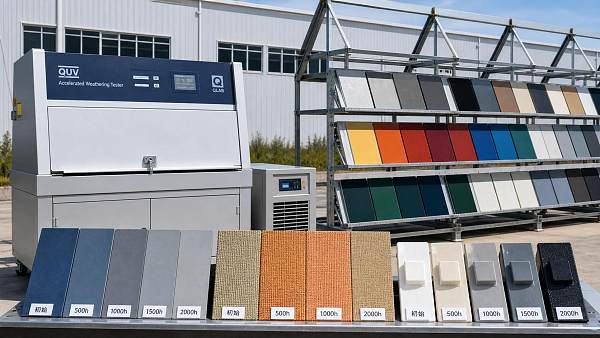
Protective coatings are another area where graphene applications in industry are becoming more credible. Anti-corrosion coatings, barrier layers, and surface protection systems are attractive because they fit procurement logic already familiar to construction, marine, transport, and equipment operators. If a graphene-enhanced coating can improve moisture resistance, reduce chemical penetration, or extend repainting cycles, buyers can compare it directly against conventional alternatives. This makes validation easier than in more speculative applications.
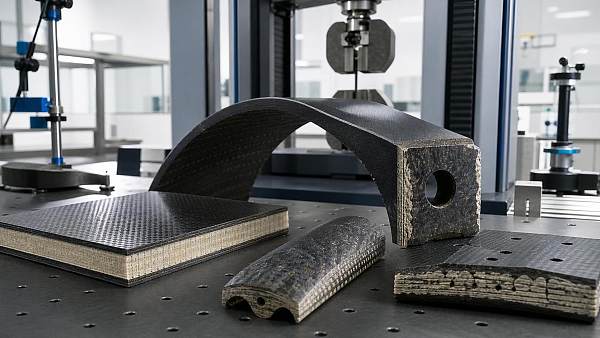
Composites also represent a practical direction, particularly where modest improvements in weight, stiffness, or fatigue resistance create downstream value. Panels, sporting structures, mobility components, and specialty housings are examples. In tourism-related settings, composite improvement may influence mobile cabins, premium leisure hardware, modular structures, and transport-facing amenities where lower weight and longer service life reduce operating strain.
Sensors and conductive materials form a fourth practical cluster. Flexible sensing layers, conductive inks, and graphene-enabled monitoring components are relevant because industries increasingly want real-time data from assets. Structural strain, humidity exposure, occupancy patterns, and equipment health are no longer niche concerns. The rise of smart infrastructure means material functionality is now judged not only by strength or appearance, but also by whether it contributes to data visibility.
A Practical Trend Table for Industrial Decision-Makers
The table below highlights where current momentum is strongest and what kind of validation buyers should expect before treating graphene applications in industry as commercially practical.
What Is Driving These Changes Now
The recent progress in graphene applications in industry is not the result of hype alone. It reflects a convergence of technical and commercial drivers. First, cost tolerance has improved in segments where performance failures are expensive. If a better coating prevents early corrosion on exposed infrastructure, or if improved thermal control reduces downtime in connected devices, buyers may accept a premium. The material does not need to be cheap in absolute terms; it needs to be economically justified.
Second, sustainability and carbon compliance are changing material evaluation. Many industries now compare materials through lifecycle thinking rather than simple upfront cost. A product that lasts longer, reduces replacement frequency, lowers energy waste, or improves structural efficiency can align with environmental targets. This is especially relevant in tourism development, where owners increasingly need to balance guest experience, aesthetics, resilience, and sustainability reporting.
Third, integration pathways are clearer. Instead of trying to commercialize graphene as a standalone miracle material, suppliers are embedding it into coatings, polymers, films, foams, electronics, and sensors. That lowers adoption friction because procurement teams can evaluate a familiar category with enhanced performance characteristics rather than approve an entirely unfamiliar system.
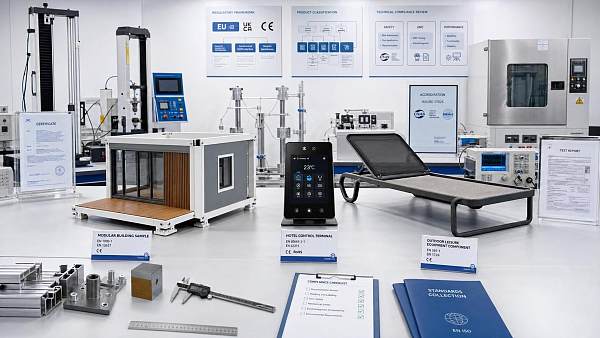
Fourth, quality verification has become central. The market has learned that the term “graphene” alone is not enough. Buyers now ask about layer structure, loading level, dispersion, substrate compatibility, and repeatability. This more disciplined approach is healthy because it filters exaggerated claims and strengthens the case for genuinely practical applications.
Who Is Most Affected by the Shift
The move toward practical graphene applications in industry affects different stakeholders in different ways. Engineers are under pressure to distinguish laboratory performance from field performance. Procurement teams need better specification language. Operators must consider maintenance implications. Investors and planners need a realistic sense of where value will appear first.
What Signals Are Worth Watching Next
For researchers and information-seekers, the key is to watch for evidence of repeatable deployment rather than isolated demonstrations. Practical graphene applications in industry usually show a recognizable pattern: a narrow use case, clear test methods, integration into an existing product category, and a buyer benefit that is easy to quantify. If those elements are missing, commercial maturity is probably still limited.
One useful signal is whether suppliers publish performance data under recognized test conditions instead of relying only on broad claims. Another is whether end users can describe what changed operationally: less corrosion, lower thermal stress, better cycle life, or improved sensor sensitivity. Also important is whether the application survives procurement scrutiny. If a material cannot be specified clearly, compared fairly, or inspected consistently, scaling becomes difficult.
It is also worth watching how regulation and sustainability frameworks shape adoption. In sectors where energy efficiency, emissions reduction, and material durability are becoming strategic priorities, graphene may gain ground faster through practical enhancements than through disruptive replacement. This gradual path often proves more durable because it fits how industrial change actually happens.
How Businesses Should Evaluate Practical Use Cases
Businesses should avoid two extremes: dismissing graphene because past hype was excessive, or accepting claims too quickly because the material sounds advanced. A better approach is to evaluate graphene applications in industry through a structured filter. Start with the problem definition. Is the target issue heat, corrosion, weight, conductivity, or sensing? Then ask whether graphene offers a measurable advantage over conventional alternatives in that exact context.
Next, focus on deployment conditions. A thermal solution that performs well in a lab may behave differently under dust, humidity, vibration, or peak loads. A coating that looks excellent in early testing may fail if application methods are inconsistent. A smart sensing layer may produce useful data only if calibration and connectivity are stable. Practicality depends on the whole operating environment, not just the material property.
For sectors tied to built environments and visitor infrastructure, this is especially important. A remote lodge, prefabricated guest unit, cable-linked transport node, or high-traffic leisure venue needs materials that are easy to inspect, maintain, and integrate. The strongest opportunities will likely come from graphene-enhanced systems that improve durability and monitoring without complicating field operations.
Decision Framework for the Next 12 to 24 Months
Over the next one to two years, the market for graphene applications in industry is likely to remain selective rather than universal. That is not a weakness; it is a sign of maturing commercialization. Companies should prioritize pilot-scale validation in use cases where failure costs are visible and performance metrics can be tracked over time.
A sensible decision framework includes five questions. First, does the application solve a specific operational problem? Second, can performance be verified with standardized testing or field comparison? Third, does the supplier provide enough technical transparency to support procurement confidence? Fourth, is the cost premium justified by lifecycle value? Fifth, can the application be integrated without creating maintenance or compliance complications?
If the answer to most of these questions is yes, the use case may be worth serious consideration. If not, the application may still be interesting, but it should be treated as exploratory rather than practical.
Conclusion: Practicality Is the Real Trend to Watch
The most important trend is not that graphene is suddenly everywhere. It is that graphene applications in industry are being judged by a tougher and more useful standard: operational practicality. That change benefits the market. It reduces noise, highlights real deployment value, and helps engineers, procurement teams, and researchers focus on applications with measurable impact.
For organizations evaluating future materials, the right response is not broad enthusiasm or blanket skepticism. It is disciplined comparison. Look for validated thermal gains, coating durability, composite performance, and sensing reliability in environments similar to your own. If your business needs stronger evidence on how these trends affect infrastructure, hospitality hardware, or smart tourism assets, the most useful next step is to confirm where performance can be independently benchmarked, where lifecycle value is clear, and where integration risk is low.
Recommended News
 Sep 01, 2026How to Use a Tourism Standards Database to Verify Safety and Compliance RequirementsTourism standards database guide: verify safety, compliance, evidence scope, test conditions, and jurisdiction requirements with confidence.
 Aug 31, 2026Material Performance Validation: Tests and Acceptance Criteria for Critical PartsMaterial performance validation: discover essential tests and acceptance criteria that help critical parts withstand loads, corrosion, fatigue, and real-world service conditions.
 Aug 26, 2026What Is a CMS and How Do You Choose One for a Growing Business Website?CMS explained for growing business websites: learn how to choose a CMS that supports SEO, workflows, integrations, and long-term scalability without costly rebuilds.
 Aug 24, 2026How to Build a Technical Procurement Content Workflow for Faster Vendor EvaluationTechnical procurement content workflow strategies for faster vendor evaluation: standardize intake, compare evidence clearly, surface risks early, and cut costly procurement delays.
 Aug 20, 2026How to Evaluate Sustainable Concrete Alternatives for Low-Carbon Building ProjectsSustainable concrete alternatives: learn how to compare carbon data, structural performance, code compliance, and supply risk to choose low-carbon concrete solutions with confidence.
 Aug 17, 2026What Does Product Category Insights Reveal About Buyer Demand and Market Positioning?Product category insights reveal buyer demand, key product attributes, and market positioning. Learn how to spot reliable signals, compare segments, and make smarter decisions.
 Aug 13, 2026How to Use Industry Benchmarking to Improve Specification Planning DecisionsIndustry benchmarking for specification planning helps technical evaluators make smarter procurement decisions, reduce risk, and improve long-term performance with evidence-based standards.
 Aug 12, 2026Technical Certification Pricing Model: What Drives Cost and How to Compare QuotesTechnical certification pricing model explained: learn what drives cost, spot hidden risks in low quotes, and compare certification proposals with confidence before you approve budget.
 Aug 09, 2026How to Evaluate Tourism Equipment for Eco Resorts Without Compromising Guest ExperienceTourism equipment evaluation for eco resorts made practical: learn how to balance sustainability, durability, and guest comfort to avoid costly mistakes and choose smarter.
 Aug 07, 2026How to Evaluate LEED Standards for Environmental Sustainability in Building ProjectsEnvironmental sustainability assessment LEED standards explained: learn how to evaluate prerequisites, credits, costs, and project risks to achieve smarter, more reliable green building outcomes.
 Aug 05, 2026Why Eco Structures in the Middle East Are Shifting Toward Modular, Off-Grid DesignsEco structures in Middle East markets are moving to modular, off-grid designs for faster delivery, lower operating risk, and stronger climate resilience. Discover what is driving the shift.
 Jul 30, 2026Industry Insights for Market Expansion: How to Identify High-Potential Regions?Industry insights for market expansion: learn how to identify high-potential regions by assessing demand, infrastructure, compliance, and supply chain readiness for smarter growth.
 Jul 14, 2026How to Apply a Tourism Innovation Validation Framework to Assess New Visitor ProjectsTourism innovation validation framework explained: learn how to assess new visitor projects, reduce delivery risk, verify compliance, and make smarter investment decisions.
 Jul 13, 2026Import Market Research Checklist: How to Assess Demand, Tariffs, and Supplier RiskImport market research made practical: learn how to assess real demand, model tariffs, and reduce supplier risk with a clear checklist for smarter sourcing decisions.
 Jul 11, 2026Fade Resistant Durability: Which Test Methods Matter for Long-Term Outdoor Use?Fade resistant durability starts with the right test data. Discover which methods best predict long-term outdoor performance, color stability, and lower lifecycle risk.
 Jul 09, 2026Electronic Gadgets for Travel and Daily Use: How to Pick Features That MatterElectronic gadgets for travel and daily use should deliver real value. Learn how to compare battery life, portability, durability, and connectivity before you buy.
 Jul 08, 2026Regulatory Compliance Framework Explained: Core Elements, Gaps, and Audit ReadinessRegulatory compliance framework explained for modern organizations: learn core elements, common gaps, and audit readiness strategies to reduce risk, improve control, and strengthen decisions.
![]() Jul 07, 2026Faucets and Mixers Buying Guide: Types, Valve Options, and Finish SelectionFaucets and mixers buying guide covering fixture types, valve options, and finish selection. Compare durability, comfort, maintenance, and performance before you buy.
Jul 07, 2026Faucets and Mixers Buying Guide: Types, Valve Options, and Finish SelectionFaucets and mixers buying guide covering fixture types, valve options, and finish selection. Compare durability, comfort, maintenance, and performance before you buy. Jul 06, 2026Tourism Equipment Specification Review: Which Ratings Matter Before You Buy?Tourism equipment specification review made practical: learn which ratings truly affect safety, lifecycle cost, compliance, and uptime before you choose a supplier.
 Jul 05, 2026What Is Material Fatigue in Composites? Failure Mechanisms and Service Life BasicsMaterial fatigue composites explained: learn key failure mechanisms, service life factors, and how to assess durability risks before specifying composite products.
 Jul 03, 2026Tourism Destination Infrastructure in North America: What Investors and Developers Evaluate FirstTourism destination infrastructure in North America shapes returns from day one. Discover what investors and developers assess first to reduce risk, improve resilience, and protect long-term value.
 Jul 02, 2026Tourism Development Validation Methodology Explained: Metrics, Data Sources, and Use CasesTourism development validation methodology explained with key metrics, trusted data sources, and real use cases to reduce risk, improve compliance, and guide smarter tourism investment decisions.
 Jun 30, 2026Regulatory Compliance Criteria Explained: How to Evaluate Requirements by Product and MarketRegulatory compliance criteria explained clearly: learn how to assess product and market requirements, reduce approval risk, and make smarter sourcing and market-entry decisions.
 Jun 29, 2026Efficient Procurement Planning: How to Reduce Delays and Control Budget RiskEfficient procurement planning helps reduce delays, control budget risk, and improve supplier decisions with data-driven strategies for stronger project delivery.
Quarterly Executive Summaries Delivered Directly.
Join 50,000+ industry leaders who receive our proprietary market analysis and policy outlooks before they hit the public library.