Search News
TerraVista Metrics (TVM)Industry Portal
TerraVista Metrics (TVM)Hot Articles
TerraVista Metrics (TVM)- Choosing Sustainable Prefab Building Materials: Embodied Carbon and DurabilityChoose prefab sustainable building materials with confidence. Compare embodied carbon, durability, and EPDs to reduce whole-life impacts and make smarter procurement decisions.
- Winnebago Q4 Revenue Falls 17% to $645.1 Million as Full-Year Profit RisesWinnebago Q4 revenue fell 17% to $645.1 million as full-year profit rose. Explore RV shipment trends, product mix shifts and what fiscal 2027 earnings guidance signals.
- Choosing Large Play Equipment for Parks: Space, Age Groups, and SafetyChoose large play equipment with confidence. Explore park space planning, age suitability, safety standards, and lifetime costs to create a safer, more inclusive playground.
Popular Tags
TerraVista Metrics (TVM)Industry NewsHow the Hospitality Ecosystem Is Changing
auth.Time
Oct 22, 2026Click Count
The hospitality ecosystem is changing faster than many buyers, developers, and operators expected. The biggest shift is not simply toward “modern hospitality,” but toward measurable performance: eco-friendly cabins must prove thermal efficiency and durability, smart hotel systems must show real interoperability and data reliability, and amusement or guest-experience hardware must meet stricter compliance and lifecycle expectations. For procurement teams, business evaluators, and distribution partners, the key question is no longer whether hospitality is becoming smarter and greener—it is how to verify which products and systems can actually deliver operational value at scale.
Across tourism development, hotel operations, and destination infrastructure, decisions are increasingly being shaped by benchmarking, carbon requirements, integration risk, maintenance cost, and guest-experience outcomes. That means stakeholders who understand the new hospitality ecosystem can make better sourcing decisions, reduce implementation errors, and avoid investing in attractive but underperforming solutions.
Why the Hospitality Ecosystem Is Changing So Quickly
The hospitality industry has moved beyond standalone buildings, furniture, and service concepts. Today, hotels, glamping sites, resorts, and tourism destinations operate as interconnected ecosystems made up of physical infrastructure, digital systems, sustainability targets, and guest-facing technologies.
Several forces are driving this transition:
- Rising sustainability pressure: Investors, regulators, and travelers increasingly expect lower carbon footprints, energy-efficient structures, and responsible material choices.
- Smart hospitality adoption: IoT devices, AI-enabled guest services, smart room controls, and integrated management systems are becoming part of mainstream hospitality operations.
- Procurement complexity: Buyers are no longer sourcing isolated products. They are evaluating full systems that must work together reliably.
- Guest experience competition: Destinations now compete on comfort, convenience, personalization, and operational consistency, not just aesthetics or location.
- Greater risk sensitivity: Operators want to reduce downtime, maintenance surprises, energy waste, and compliance failures.
In practical terms, this means the hospitality ecosystem is becoming more technical, more data-driven, and more dependent on cross-functional decision-making.
What Procurement Teams and Decision-Makers Care About Most
For the target audience—researchers, procurement professionals, business evaluators, and channel partners—the main concern is not trend awareness alone. It is decision confidence. They need to know whether a solution is commercially viable, operationally stable, and suitable for long-term deployment.
The most common questions include:
- Can this product meet performance claims under real operating conditions?
- Will it comply with carbon, safety, and technical standards in the target market?
- How well does it integrate with existing hotel systems, site infrastructure, or destination operations?
- What are the maintenance demands and lifecycle costs?
- Is the supplier offering evidence, or only marketing language?
- Will the solution scale across multiple properties, regions, or distribution channels?
This is why hospitality benchmarking has become more important. Buyers need engineering metrics and structured comparison methods, especially when evaluating Chinese manufacturing partners, smart hotel hardware, prefab tourism units, and high-end amusement equipment.
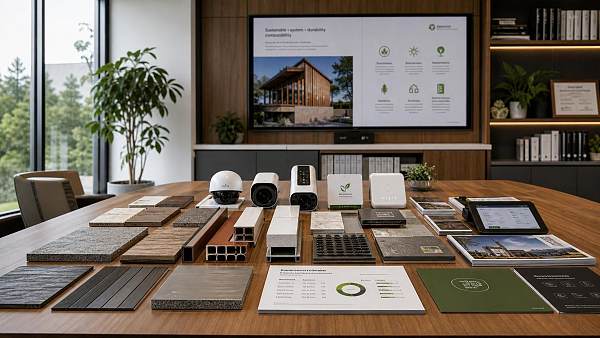
Eco-Friendly Cabins and Prefabricated Hospitality Units Are No Longer Niche
One major change in the hospitality ecosystem is the growing importance of eco-friendly cabins, modular resort units, and prefabricated glamping structures. These are no longer viewed as temporary alternatives. In many tourism projects, they are now strategic assets for speed, flexibility, and sustainability positioning.
However, the market has matured. Buyers are asking harder questions before making commitments:
- How efficient is the thermal envelope in hot, cold, or humid climates?
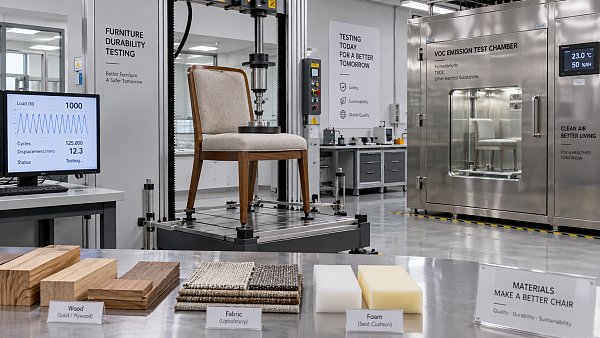
- What is the expected material lifespan under repeated guest turnover and environmental exposure?
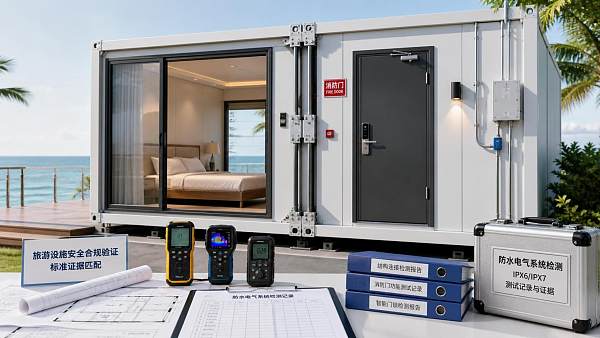
- Can the unit meet local code, fire, insulation, and carbon-related requirements?
- How easy is transport, on-site assembly, and future maintenance?
- Does the cabin support integration with smart hospitality systems?
This shift matters because visual appeal alone is no longer enough. A cabin that looks premium but performs poorly in insulation, moisture resistance, or structural fatigue can create ongoing operational and reputational costs. For procurement teams and developers, technical validation has become essential.
Smart Hotel IoT Is Creating Both Opportunity and New Risk
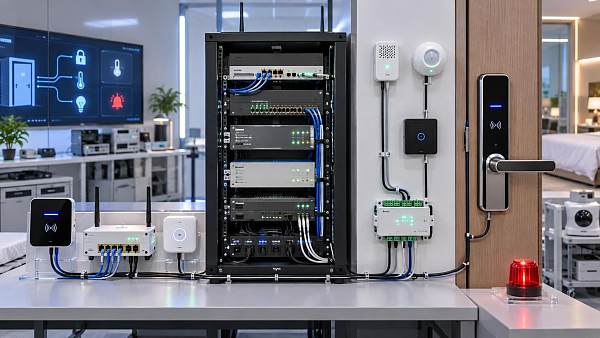
Smart hotel IoT is another major force reshaping the hospitality ecosystem. Connected room controls, smart locks, occupancy sensors, AI service layers, and centralized property systems can improve energy efficiency, staffing flexibility, and guest personalization. But they also introduce integration and reliability challenges.
Decision-makers should assess smart hospitality systems in four practical areas:
- Interoperability: Can the system communicate with PMS, BMS, access control, energy management, and guest-service platforms?
- Data throughput and stability: Can the network handle real usage loads without latency or failure?
- Cybersecurity and control: Are device access, updates, and data governance managed properly?
- Operational usability: Will on-site teams be able to maintain and use the system without excessive training burden?
Many hospitality projects underperform not because the technology itself is weak, but because components were sourced separately without a clear integration framework. For buyers and evaluators, the lesson is clear: smart hotel procurement must consider system architecture, not just device features.
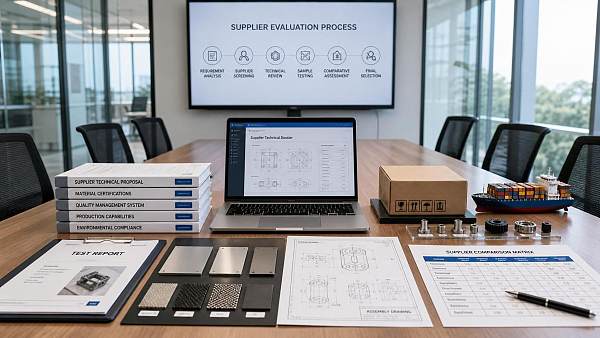
Hospitality Benchmarking Is Becoming a Core Part of Vendor Evaluation
As the hospitality ecosystem becomes more technical, hospitality benchmarking is shifting from a useful extra to a core decision tool. Buyers need standardized ways to compare products across suppliers, regions, and project types.
Good benchmarking helps answer questions such as:
- Which prefab hospitality unit has stronger thermal efficiency per cost basis?
- Which IoT hardware configuration offers the most stable performance under high occupancy conditions?
- Which amusement or tourism hardware shows better fatigue resistance and lower long-term maintenance exposure?
- Which solution provides stronger evidence of carbon compliance and material quality?
For global buyers working with complex supply chains, benchmarking reduces ambiguity. It separates measurable performance from showroom presentation. It also makes internal approvals easier, because procurement teams can support recommendations with data rather than assumptions.
This is especially relevant in cross-border sourcing environments, where product catalogs may look similar but technical quality, certification readiness, and integration maturity vary significantly.
How the New Hospitality Ecosystem Changes Buying Criteria
The old buying model often prioritized design, upfront price, and basic delivery capability. The new hospitality ecosystem requires broader evaluation criteria.
Today’s most effective procurement frameworks include:
- Performance validation: Verified engineering and operational metrics
- Compliance readiness: Carbon, safety, material, and technical documentation
- System compatibility: Ability to integrate into existing digital and physical infrastructure
- Total cost of ownership: Energy use, maintenance, replacement cycle, and service burden
- Scalability: Fit for single-site pilots and multi-site expansion
- Supplier transparency: Willingness to provide test data, whitepapers, and performance evidence
This broader lens helps organizations avoid a common mistake: selecting products that appear cost-effective at purchase but create hidden expenses after installation. In tourism infrastructure and smart hospitality, post-purchase friction often matters more than initial savings.
What Distributors and Channel Partners Should Watch
For distributors, resellers, and agents, the changing hospitality ecosystem creates both opportunity and pressure. Demand is rising for advanced tourism hardware, eco-friendly accommodation solutions, and smart hotel systems. But buyers are becoming more selective and more technically informed.
Channel partners should pay attention to:
- Documentation quality: Can the brand support sales with benchmark data and technical evidence?
- Localization readiness: Are certifications, manuals, and specifications usable in target markets?
- After-sales feasibility: Is the product realistic to support after deployment?
- Product consistency: Can the manufacturer deliver repeatable quality across batches and projects?
- Portfolio fit: Does the product complement broader hospitality infrastructure trends?
In this environment, distributors who can translate technical performance into commercial value will be in a stronger position than those relying only on price competition or visual presentation.
How to Evaluate Hospitality Infrastructure More Effectively
To respond to these industry changes, procurement and evaluation teams should adopt a more structured review process. A practical approach includes the following steps:
- Define the use case clearly: Resort expansion, remote glamping, smart retrofitting, or destination hardware procurement all require different standards.
- List critical technical criteria: Thermal efficiency, durability, throughput, integration, safety, carbon metrics, and maintenance needs.
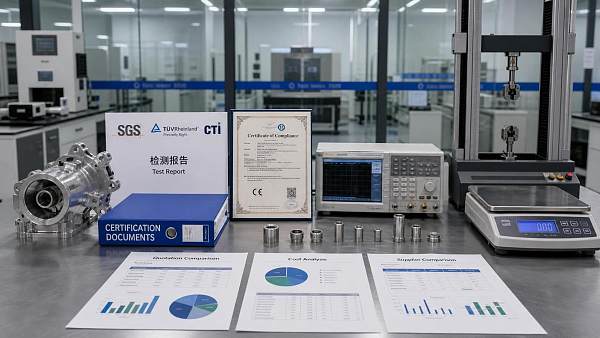
- Request verified evidence: Lab tests, benchmark reports, whitepapers, compliance files, and performance records.
- Assess lifecycle impact: Evaluate installation, operations, servicing, upgrades, and replacement timelines.
- Compare systems, not just products: Review how each component affects the wider hospitality ecosystem.
- Test commercial viability: Check lead time, support capacity, supplier responsiveness, and scalability.
This process is especially useful when sourcing globally, where product claims may be abundant but evaluation standards are inconsistent.
The Future of Hospitality Will Belong to Verifiable, Integrated Solutions
The hospitality ecosystem is changing from a design-led environment into a performance-led one. Sustainability, smart system integration, and measurable infrastructure quality are no longer secondary considerations. They are becoming central to investment success, procurement efficiency, and guest-experience delivery.
For tourism architects, hotel procurement leaders, business evaluators, and distribution partners, the most valuable shift is also the most practical: decision-making can become more accurate when supported by benchmarking, engineering data, and lifecycle analysis. In a market full of attractive claims, verifiable performance is what creates long-term confidence.
In short, the hospitality businesses that adapt fastest will not simply buy newer products. They will build smarter sourcing frameworks, ask better technical questions, and choose suppliers that can prove real-world value. That is the real change in the hospitality ecosystem—and it will shape the next generation of global tourism infrastructure.
Recommended News
 Oct 23, 2026Choosing Sustainable Prefab Building Materials: Embodied Carbon and DurabilityChoose prefab sustainable building materials with confidence. Compare embodied carbon, durability, and EPDs to reduce whole-life impacts and make smarter procurement decisions.
 Oct 22, 2026Winnebago Q4 Revenue Falls 17% to $645.1 Million as Full-Year Profit RisesWinnebago Q4 revenue fell 17% to $645.1 million as full-year profit rose. Explore RV shipment trends, product mix shifts and what fiscal 2027 earnings guidance signals.
 Oct 18, 2026Tourism Asset Evaluation Criteria: Assessing Demand, Cash Flow, and Investment RiskExplore tourism asset evaluation criteria to assess demand, cash flow, lifecycle costs, and investment risk. Discover how to identify resilient assets and make smarter investment decisions.
 Oct 16, 2026Integrated Systems for Destination Planning: How to Connect GIS and Visitor DataExplore integrated systems for destination planning that connect GIS and visitor data to reveal bottlenecks, assess capacity, and guide smarter infrastructure investments.
 Oct 21, 2026Furniture Sustainability Testing: What Evidence Supports Green Claims?Furniture sustainability testing helps verify green claims through emissions data, sourcing records, and durability evidence. Discover what to check before approving your next purchase.
 Oct 13, 2026Tourism Procurement Planning in Europe: Budgets, Suppliers, and Seasonal DeadlinesTourism procurement planning Europe: Compare full costs, vet suppliers, and align seasonal deadlines. Discover practical steps to protect your budget and open on time.
 Oct 08, 2026What Drives System Interoperability Testing Service Costs in Complex Projects?System interoperability testing service cost depends on integration scope, workflows, environments, and assurance needs. Learn how to budget smarter and reduce project risk.
 Oct 03, 2026Verified Performance Certification: What It Proves During Product QualificationVerified performance certification helps teams qualify products with confidence. Learn how to assess scope, test conditions, and delivery controls before approval.
 Oct 01, 2026Multiaxial Material Fatigue Analysis for Predicting Service Life Under Variable LoadsMultiaxial material fatigue analysis helps predict service life under variable loads, enabling safer procurement, lower lifecycle risk, and durable tourism infrastructure.
 Sep 28, 2026What Does Tourism Destination Infrastructure Cost? A Budgeting Guide for DevelopersTourism destination infrastructure price guide for developers: budget utilities, systems, installation, lifecycle costs, and contingencies for smarter investments.
 Sep 26, 2026Regulatory Compliance Procurement Support: How to Vet Suppliers Before Contract AwardRegulatory compliance procurement support helps buyers vet suppliers, verify evidence, manage risks, and secure compliant assets before contract award.
 Sep 15, 2026System Integration Testing for Device Integration: Key Interfaces and Failure RisksSystem integration testing device integration: identify critical interfaces, hidden failure risks, recovery gaps, and acceptance evidence before connected devices go live.
 Sep 01, 2026How to Use a Tourism Standards Database to Verify Safety and Compliance RequirementsTourism standards database guide: verify safety, compliance, evidence scope, test conditions, and jurisdiction requirements with confidence.
 Aug 31, 2026Material Performance Validation: Tests and Acceptance Criteria for Critical PartsMaterial performance validation: discover essential tests and acceptance criteria that help critical parts withstand loads, corrosion, fatigue, and real-world service conditions.
 Aug 26, 2026What Is a CMS and How Do You Choose One for a Growing Business Website?CMS explained for growing business websites: learn how to choose a CMS that supports SEO, workflows, integrations, and long-term scalability without costly rebuilds.
 Aug 24, 2026How to Build a Technical Procurement Content Workflow for Faster Vendor EvaluationTechnical procurement content workflow strategies for faster vendor evaluation: standardize intake, compare evidence clearly, surface risks early, and cut costly procurement delays.
 Aug 20, 2026How to Evaluate Sustainable Concrete Alternatives for Low-Carbon Building ProjectsSustainable concrete alternatives: learn how to compare carbon data, structural performance, code compliance, and supply risk to choose low-carbon concrete solutions with confidence.
 Aug 17, 2026What Does Product Category Insights Reveal About Buyer Demand and Market Positioning?Product category insights reveal buyer demand, key product attributes, and market positioning. Learn how to spot reliable signals, compare segments, and make smarter decisions.
 Aug 13, 2026How to Use Industry Benchmarking to Improve Specification Planning DecisionsIndustry benchmarking for specification planning helps technical evaluators make smarter procurement decisions, reduce risk, and improve long-term performance with evidence-based standards.
 Aug 12, 2026Technical Certification Pricing Model: What Drives Cost and How to Compare QuotesTechnical certification pricing model explained: learn what drives cost, spot hidden risks in low quotes, and compare certification proposals with confidence before you approve budget.
 Aug 09, 2026How to Evaluate Tourism Equipment for Eco Resorts Without Compromising Guest ExperienceTourism equipment evaluation for eco resorts made practical: learn how to balance sustainability, durability, and guest comfort to avoid costly mistakes and choose smarter.
 Aug 07, 2026How to Evaluate LEED Standards for Environmental Sustainability in Building ProjectsEnvironmental sustainability assessment LEED standards explained: learn how to evaluate prerequisites, credits, costs, and project risks to achieve smarter, more reliable green building outcomes.
 Aug 05, 2026Why Eco Structures in the Middle East Are Shifting Toward Modular, Off-Grid DesignsEco structures in Middle East markets are moving to modular, off-grid designs for faster delivery, lower operating risk, and stronger climate resilience. Discover what is driving the shift.
 Jul 30, 2026Industry Insights for Market Expansion: How to Identify High-Potential Regions?Industry insights for market expansion: learn how to identify high-potential regions by assessing demand, infrastructure, compliance, and supply chain readiness for smarter growth.
{item.publish_time}{item.title}{item.description}Quarterly Executive Summaries Delivered Directly.
Join 50,000+ industry leaders who receive our proprietary market analysis and policy outlooks before they hit the public library.