Search News
TerraVista Metrics (TVM)Industry Portal
TerraVista Metrics (TVM)Hot Articles
TerraVista Metrics (TVM)- Italy’s Ferretti Cuts 2026 Guidance for Second Consecutive QuarterFerretti cuts 2026 earnings guidance for a second consecutive quarter as yacht demand slows. Explore what longer buying decisions could mean for suppliers, procurement and delivery planning.
- Food Export Compliance: What to Check Before Your First Overseas ShipmentFood export compliance starts before dispatch. Discover essential checks for approvals, labels, certificates, and cold-chain controls to help prevent costly delays on your first overseas shipment.
- Roseate Targets 30 Hotels by 2030, Plans New Smart Hotel BrandRoseate Hotels & Resorts targets 30 hotels by 2030, with an upscale smart hotel brand planned for early 2027. Explore its expansion strategy across India's smaller cities and core markets.
Popular Tags
TerraVista Metrics (TVM)Industry NewsHow to Meet Sustainable Tourism Standards in 2026
auth.Time
Oct 26, 2026Click Count
Meeting sustainable tourism standards in 2026 is no longer about adding a few visible “green” features and hoping they satisfy regulators, investors, or procurement teams. For tourism developers, hotel operators, amusement facility buyers, and distribution partners, the real requirement is measurable performance: lower lifecycle emissions, verifiable energy efficiency, interoperable smart systems, durable infrastructure, and procurement documentation that stands up to compliance review. In practice, that means sustainable tourism solutions must now be selected the same way critical infrastructure is selected—through engineering data, system-level compatibility, and total cost evaluation.
If you are researching suppliers or assessing tourism hardware for upcoming projects, the key question is simple: can this asset meet sustainability expectations in operation, not just in marketing materials? In 2026, the strongest projects will be those that combine carbon-ready procurement, smart hotel design, and tested amusement hardware standards into one decision framework.
What “meeting sustainable tourism standards” actually means in 2026
For most buyers, the phrase sustainable tourism standards can sound broad and difficult to translate into procurement criteria. In 2026, however, the standard is becoming clearer across hospitality, attractions, and destination infrastructure: sustainability must be measurable across the full asset lifecycle.
That usually includes five areas:
- Operational energy performance — how much energy a building, cabin, ride system, or hospitality network consumes in normal use
- Embodied carbon and material traceability — what materials were used, how they were produced, and whether environmental claims can be documented
- Water and waste efficiency — especially important for resorts, eco-lodges, and high-footfall leisure sites
- Durability and maintenance profile — because replacing failed components early can erase sustainability gains
- System integration readiness — whether hardware works cleanly with hotel IoT solutions, building controls, guest management platforms, and reporting systems
This is why many tourism projects now treat sustainability as a procurement and engineering issue rather than a branding exercise. A glamping unit with attractive recycled materials may still perform poorly if thermal insulation is weak. A smart hotel system marketed as energy-saving may create operational inefficiencies if data throughput is unstable or if it cannot integrate with existing PMS, HVAC, or occupancy controls. Likewise, amusement hardware promoted as durable may still create long-term waste and cost exposure if fatigue testing data is missing.
What buyers, evaluators, and distributors care about most before making a decision
The target audience for this topic is typically not looking for generic sustainability advice. They are trying to reduce risk and make better commercial decisions. That changes what matters most.
Procurement teams usually want comparable benchmarks. They need to know which supplier can document performance, not just describe it. Their concern is whether claims can survive internal review, investor scrutiny, and future compliance checks.
Business evaluators and commercial decision-makers focus more on lifecycle economics. They ask whether a solution lowers operating expenses, protects brand value, reduces retrofit risk, and remains viable under tighter future standards.
Distributors, agents, and channel partners care about product credibility and downstream reliability. If they represent a tourism hardware line that later underperforms in thermal efficiency, software compatibility, or structural life, the commercial damage affects repeat business and regional trust.
Information researchers often need a framework to translate technical data into practical judgment. They are trying to understand which metrics are decision-critical and which are mostly promotional.
Across all these groups, the common concerns are:
- How to verify sustainability claims
- Which metrics matter most by asset type
- How to estimate system integration cost
- How to compare initial price against long-term operating performance
- How to avoid choosing infrastructure that becomes non-compliant or inefficient within a few years
Start with measurable procurement benchmarks, not supplier narratives
The fastest way to improve decision quality is to move sustainability evaluation from descriptive language to benchmark-based procurement.
For 2026 purchasing decisions, a useful supplier assessment framework should include:
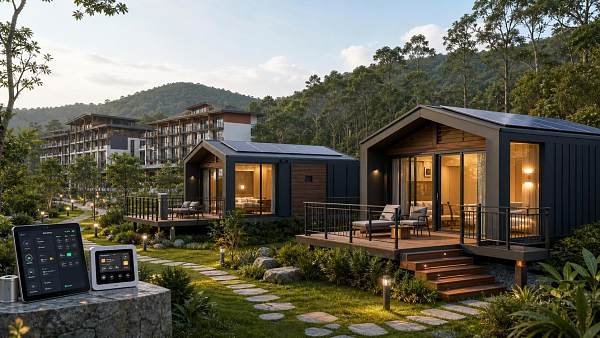
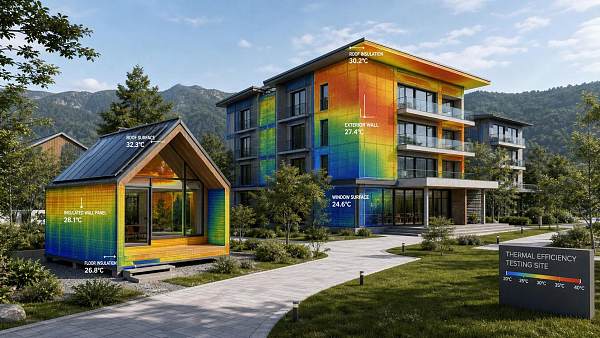
- Thermal performance data for prefabricated hospitality units, cabins, and modular accommodations
- Energy draw profiles for smart systems, rides, lighting, and support infrastructure
- Material fatigue and durability testing for amusement hardware and high-use structural components
- Carbon-related documentation including declared material composition, manufacturing standards, and environmental reporting support
- Interoperability records showing compatibility with standard hotel, property, safety, and IoT platforms
- Maintenance intervals and failure-rate expectations under realistic operating conditions
This is where a data-led approach becomes valuable. Organizations such as TerraVista Metrics (TVM) provide a structural filter for tourism procurement by translating manufacturing output into standardized engineering comparisons. Instead of relying on surface-level brochures, project teams can review thermal efficiency of prefab glamping units, network performance for smart hotel infrastructure, and material fatigue indicators for high-end amusement hardware. That makes sustainability more actionable because teams can compare real operational implications.
In practical terms, if a vendor cannot provide reliable performance data, that alone is a signal. In 2026, lack of measurable evidence increasingly suggests either immature product engineering or weak readiness for international procurement standards.
How sustainable tourism solutions should be evaluated by asset category
Not all tourism infrastructure should be judged using the same sustainability lens. A better procurement process adapts evaluation criteria to the asset type.
1. Prefabricated cabins, glamping units, and modular hospitality structures
These assets should be evaluated beyond aesthetic design and installation speed. Key questions include:
- What is the tested thermal envelope performance?
- How do insulation, glazing, and ventilation affect HVAC demand?
- What materials have the highest replacement risk under local climate conditions?
- Can the unit support low-energy occupancy management systems?
- What is the transport-to-install carbon and cost profile?
A unit that costs slightly more upfront but significantly reduces heating and cooling loads may deliver superior sustainability and operating economics over time.
2. Smart hotel design and hotel IoT solutions
Smart hotel design is central to 2026 sustainability performance because buildings increasingly depend on sensors, controls, and guest-responsive systems to reduce energy waste. But buyers should not assume all digital systems are sustainable by default.
Evaluate:
- Data throughput stability
- Integration with PMS, BMS, HVAC, lighting, and access systems
- Occupancy-based automation effectiveness
- Cybersecurity and update lifecycle
- Scalability across multiple properties or zones
The sustainability value of hotel IoT solutions comes from usable automation, not from device count. A simpler system with stronger interoperability may outperform a complex platform that creates operational fragmentation.
3. Amusement hardware and attraction infrastructure
In the amusement sector, sustainability and durability are closely linked. If a ride system, structural frame, kinetic installation, or guest-interaction hardware requires frequent replacement or unplanned repair, waste and emissions increase while safety and profitability decline.
Important evaluation points include:
- Material fatigue resistance
- Maintenance frequency
- Energy consumption under real operating loads
- Parts replacement accessibility
- Long-term weather and corrosion tolerance
- Compatibility with digital monitoring systems
For amusement hardware standards, sustainability should be assessed as a function of lifecycle resilience, not just material selection.
Why system integration cost is now a sustainability issue, not just an IT issue
One of the most underestimated barriers to sustainable tourism compliance is poor integration planning. Buyers often assess the hardware itself but not the hidden cost and performance loss caused when systems cannot communicate effectively.
For example, a hotel may purchase efficient room controls, advanced lighting systems, and occupancy sensors from different vendors. If these systems do not integrate properly, the property may fail to achieve the expected energy savings. Manual overrides increase. Staff intervention rises. Reporting becomes unreliable. Guest comfort may even fall, leading operators to disable sustainability features in practice.
That is why system integration cost should be included early in commercial evaluation. It affects:
- Installation complexity
- Commissioning time
- Software middleware requirements
- Staff training needs
- Long-term maintenance and upgrade cost
- Ability to produce audit-ready sustainability reporting
In 2026, a tourism asset that performs well in isolation but poorly in the wider ecosystem is not truly sustainable. System inefficiency becomes a direct operating and compliance risk.
How to verify carbon-ready procurement claims without overcomplicating the process
Many buyers know they need carbon-related documentation but are unsure how deep the review should go. The good news is that carbon-ready procurement does not require every team to become a full environmental accounting specialist. It does require discipline in what documentation is requested and how it is used.
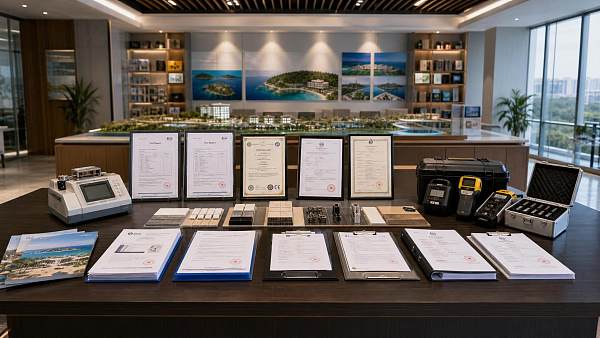
A practical carbon-ready procurement checklist should include:
- Declared material composition
- Manufacturing location and process transparency
- Evidence of energy-efficient production where available
- Expected service life
- Repairability and component replacement model
- Packaging and logistics efficiency
- End-of-life or recycling considerations
The goal is not perfection at the first stage. The goal is to identify which suppliers are structurally prepared for future carbon scrutiny and which are merely reacting with marketing language.
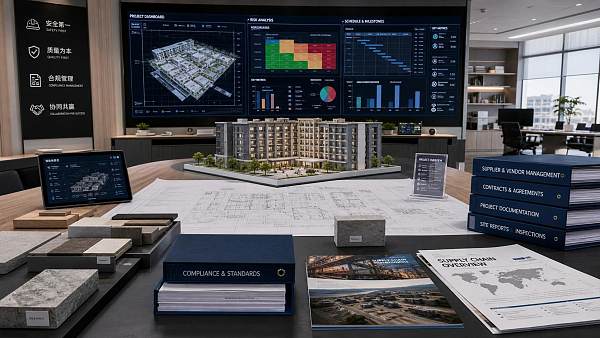
Suppliers who can support standardized whitepapers, engineering test data, and traceable specifications are generally better positioned for 2026 procurement environments than those who only provide broad ESG statements.
Red flags that suggest a tourism product may not meet 2026 standards
During supplier review, several warning signs often indicate future sustainability or compliance problems:
- Claims of being “eco-friendly” with no test-backed operational metrics
- No clear explanation of compatibility with existing hotel or site management systems
- Missing durability or fatigue testing for high-use components
- Unclear maintenance requirements or unrealistic lifespan claims
- No distinction between prototype performance and installed performance
- Heavy reliance on design presentation while avoiding engineering specifics
- Inability to provide documentation suitable for cross-border procurement or investor review
These issues are especially important in the tourism and hospitality supply chain, where assets must often satisfy multiple stakeholders at once: developers, operators, technical consultants, finance teams, and local authorities.
A practical decision framework for 2026 tourism procurement
If your team needs a clear process, use this five-step framework when evaluating sustainable tourism solutions:
- Define the operational outcome first
Specify what the asset must achieve in energy, durability, guest experience, and system compatibility terms. - Request engineering evidence, not just product sheets
Ask for test metrics, interoperability records, maintenance profiles, and performance benchmarks. - Evaluate total lifecycle value
Compare upfront cost with expected energy use, maintenance burden, replacement cycle, and retrofit risk. - Check integration dependencies early
Map the asset’s connection to software, controls, site utilities, and reporting systems before purchase approval. - Prioritize future-readiness
Choose solutions that can support stricter sustainability reporting, smarter automation, and evolving operational standards.
This approach helps both direct buyers and channel partners make stronger commercial decisions. It also reduces the risk of selecting products that appear compliant today but create hidden cost or performance problems later.
Where TerraVista Metrics fits into this decision process
For tourism professionals working across international sourcing environments, one of the hardest tasks is converting manufacturing claims into comparable decision inputs. TerraVista Metrics (TVM) addresses that gap by acting as an independent, data-driven benchmarking layer across the tourism and hospitality supply chain.
Its value is particularly relevant in 2026 because procurement teams need clearer technical validation in areas such as:
- Thermal efficiency of prefab hospitality structures
- Data throughput and reliability of smart hotel IoT networks
- Material fatigue and structural resilience of amusement hardware
- Standardized engineering whitepapers for buyer-side comparison
For developers, operators, procurement directors, and distributors, that kind of benchmarking reduces ambiguity. It supports decisions based on durability, compliance readiness, and integration performance rather than presentation quality alone.
Conclusion: sustainable tourism standards in 2026 are about proof, not positioning
To meet sustainable tourism standards in 2026, tourism businesses must think beyond visible green features and evaluate infrastructure as a measurable performance system. The strongest decisions will come from comparing sustainable tourism solutions through engineering data, lifecycle cost, carbon-ready procurement evidence, and integration readiness.
For buyers in hospitality and amusement sectors, the question is no longer whether sustainability matters. It is how to verify it in a way that protects operations, supports future compliance, and improves investment quality. Projects that rely on slogans will face growing risk. Projects that rely on tested metrics, smart hotel design logic, and robust amusement hardware standards will be better positioned to perform, scale, and remain credible in a more demanding tourism market.
Recommended News
 Oct 15, 2026Industry Reports Library: How to Find Reliable Data for Market ResearchExplore an industry reports library to find reliable market data, verify sources, and compare findings. Learn practical steps to turn research into confident business decisions.
 Sep 13, 2026How to Use Practical Industry Reports to Identify Market Risks and Growth OpportunitiesPractical industry reports help uncover market risks, validate supplier claims, and identify growth opportunities before capital is committed.
 Aug 28, 2026What Do Standardized Performance Benchmarks Cost, and What Do Buyers Get?Standardized performance benchmarks price explained: compare costs, scope, and buyer deliverables to reduce procurement risk and make confident investment decisions.
 Aug 03, 2026How to Read a Compliance Analysis Report Before Supplier ApprovalCompliance analysis report guide: learn how to verify scope, evidence, exclusions, and risk before supplier approval, helping you avoid costly compliance gaps and make smarter sourcing decisions.
 Aug 02, 2026What Should Executives Look for in a Market Intelligence Report Dashboard?Market intelligence report dashboard essentials for executives: learn how to spot decision-ready insights, benchmark risk, source confidence, and business impact before making high-stakes moves.
 Jul 29, 2026Recreational Cable Transport Global Market: Key Growth Drivers and Regional OutlookRecreational cable transport global market analysis explores key growth drivers, regional outlook, technology shifts, and investment risks shaping future leisure mobility opportunities.
 Jul 26, 2026Tourism Development Report: Key Market Signals, Investment Priorities, and Growth RisksTourism development report on market signals, investment priorities, and growth risks—discover where tourism assets can deliver resilient returns, sustainability value, and smarter expansion.
 Jul 25, 2026How to Evaluate a Standardized Performance Benchmarks Research Firm?Standardized performance benchmarks research firm selection starts with method, independence, and industry fit. Learn how to compare firms and choose evidence that supports smarter procurement decisions.
 Jul 18, 2026How to Read a Prefab Durability Testing Report Before Specifying Modular UnitsPrefab durability testing report essentials: learn how to assess test scope, standards, margins, and hidden risks before specifying modular units with confidence.
 Jul 15, 2026How a Market Intelligence Agency Supports Supplier Screening and Market Entry DecisionsA market intelligence agency helps businesses screen suppliers, reduce entry risk, and make smarter market decisions with verified data, compliance insight, and actionable analysis.
 Jul 14, 2026Project Planning Intelligence Tools: Which Features Matter for Cross-Functional Teams?Project planning intelligence tools for cross-functional teams: discover the must-have features for risk, compliance, forecasting, and smarter project decisions.
 Jul 13, 2026Tourism Equipment Market Evaluation: Which Demand, Price, and Channel Metrics Matter?Tourism equipment market evaluation reveals which demand, price, and channel metrics truly drive margins, reduce risk, and improve procurement decisions across modern tourism projects.
 Jul 11, 2026Compliance Analysis USA: How to Review Testing and Documentation Before BuyingCompliance analysis USA made practical: learn how to verify test reports, certification scope, and documentation before buying to reduce sourcing risk, control costs, and choose suppliers with confidence.
 Jul 10, 2026How to Compare Product Category Market Price Across Suppliers Without Missing Hidden CostProduct category market price comparison goes beyond the lowest quote. Learn how to uncover hidden costs across suppliers and make smarter, lower-risk buying decisions.
 Jul 08, 2026Presentation Tools Compared: Which Features Matter for Team Training and Demos?Presentation tools compared for team training and demos: discover which features improve collaboration, technical clarity, and reliable delivery across real operational workflows.
![]() Jul 07, 2026Tourism Supply Chain Analysis in North America: Key Cost Drivers and BottlenecksTourism supply chain analysis North America reveals key cost drivers, freight risks, compliance pressure, and integration bottlenecks—helping tourism projects cut risk and make smarter investment decisions.
Jul 07, 2026Tourism Supply Chain Analysis in North America: Key Cost Drivers and BottlenecksTourism supply chain analysis North America reveals key cost drivers, freight risks, compliance pressure, and integration bottlenecks—helping tourism projects cut risk and make smarter investment decisions. Jul 03, 2026On Site Thermal Efficiency Testing: When It’s Required and Which Metrics Matter MostOn site thermal efficiency testing reveals how buildings perform in real conditions. Learn when it’s required, which metrics matter most, and how to reduce energy risk.
 Jul 02, 2026What Drives Industry Reports Cost Factors: Data Scope, Method, and Update FrequencyIndustry reports cost factors explained: see how data scope, research method, and update frequency shape report value, pricing, and smarter investment decisions.
 Jun 30, 2026Fashion Trends 2026: Which Materials, Silhouettes, and Colors Are Shaping New Collections?Fashion trends 2026 reveal the materials, silhouettes, and colors shaping scalable new collections. Discover buyer-ready insights on comfort, utility, and strategic color direction.
 Jun 27, 2026Tourism Asset Evaluation Cost Factors: What Drives Valuation in Resort Projects?Tourism asset evaluation cost factors shape resort valuation through site complexity, compliance, smart systems, and lifecycle risk. See what really drives cost and stronger investment decisions.
 Jun 25, 2026How to Use Material Sustainability Analysis in Product Selection and Supplier EvaluationMaterial sustainability analysis helps buyers compare real lifecycle value, durability, compliance, and supplier reliability. Learn how to make smarter product selection decisions.
 Jun 21, 2026Tourism Carbon Metrics: How Hotels and Destinations Measure Emissions in PracticeTourism carbon in practice: learn how hotels and destinations measure emissions, set clear boundaries, compare assets fairly, and turn data into credible low-carbon decisions.
 Jun 20, 2026What Affects Outdoor Furniture Price? Materials, Durability, MOQ, and Shipping CostsOutdoor furniture price depends on more than design. Explore how materials, durability, MOQ, customization, and shipping costs shape real project value and smarter buying decisions.
 Jun 19, 2026How to Read a Compliance Standards Assessment Report for Supplier ApprovalCompliance standards assessment report guide for smarter supplier approval. Learn how to verify scope, findings, risks, and evidence quality before you commit.
{item.publish_time}{item.title}{item.description}Quarterly Executive Summaries Delivered Directly.
Join 50,000+ industry leaders who receive our proprietary market analysis and policy outlooks before they hit the public library.